Using Plumber’s Tape (Teflon Tape or PTFE Tape): A Comprehensive Step-by-Step Guide
Introduction
When it comes to plumbing repairs or installations, creating a watertight seal on threaded pipe connections is crucial to prevent leaks and avoid costly water damage. One of the most effective tools for this purpose is plumber’s tape, also known as Teflon tape or PTFE tape. This thin, flexible, non-adhesive tape is designed to be wrapped around the male threads of pipes and fittings, providing a tight seal that resists leaks. You May Also like: emergency plumbing help decatur
In this article, we will walk you through the step-by-step process of using plumber’s tape properly. Whether you’re a DIY enthusiast or someone seeking a simple repair, understanding how to apply plumber’s tape correctly can save you time and money.
What Is Plumber’s Tape?
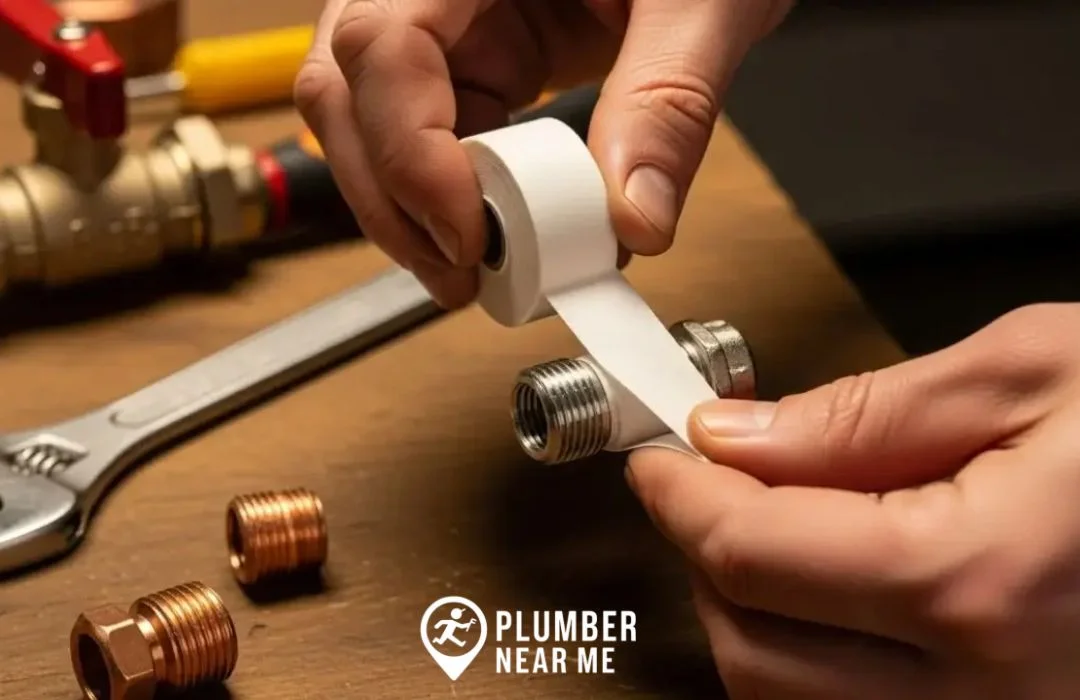
Plumber’s tape is a synthetic tape made of polytetrafluoroethylene (PTFE), a material known for its non-stick and high-temperature resistance properties. It’s widely used in plumbing because of its versatility and reliability in creating a watertight seal on threaded connections.
Key Features of Plumber’s Tape:
-
- Flexible and Thin: Easily wraps around threads.
-
- Non-Adhesive: Does not stick to pipes but tightly seals connections.
-
- Resistant to Chemicals & Temperatures: Suitable for hot and cold water applications.
-
- Reusable: Can be removed and reapplied if needed.
Why Use Plumber’s Tape?
Using plumber’s tape offers several advantages:
-
- Prevents Leaks: Seals leaks effectively on threaded joints.
-
- Reduces the Need for Excess Sealants: Less mess compared to other sealants like pipe dope.
-
- Easy to Use: Simple application process suitable for DIYers.
-
- Extends the Life of Connections: Protects against corrosion and wear.
Step-by-Step Guide for Proper Usage
Follow these detailed steps to ensure a perfect seal:
Step 1: Gather Your Materials and Tools
Before starting, make sure you have:
-
- Plumber’s tape (Teflon/PTFE tape)
-
- Pipe wrench or adjustable wrench
-
- Cleaning cloth or brush
-
- Pipe fittings or threaded pipes
Tip: Ensure that the threads are clean and dry before applying the tape for optimal adhesion.
Step 2: Prepare the Pipes and Fittings
-
- Turn off the water supply if working on existing plumbing.
-
- Clean the threaded ends of the pipes with a cloth or brush to remove dirt, rust, or old sealant.
-
- Check the threads for any damage or deformities, replacing damaged parts if necessary.
Step 3: Wrap the Plumber’s Tape
-
- Position the threads so they are facing upward or outward.
-
- Hold the threaded pipe or fitting firmly in one hand.
-
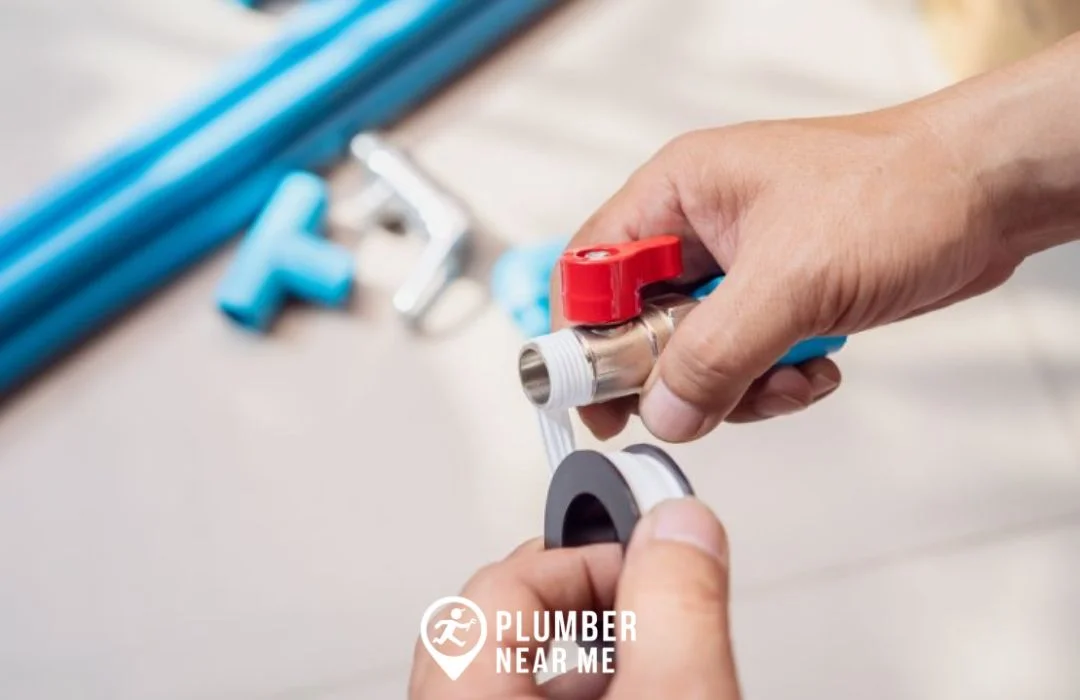
- Start wrapping the plumber’s tape at the first thread (the part that will enter the female fitting).
Important Tips:
-
- Wrap the tape in the direction of the thread rotation — usually clockwise (right-handed). This ensures the tape doesn’t unravel when screwing the parts together.
-
- Overlapping: Apply 2-3 layers of tape, overlapping each layer by about half the width of the tape.
-
- Tension: Keep the tape taut as you wrap to avoid loose layers.
-
- Finish wrapping beyond the end of the threads to further prevent leaks.
Step 4: Trim Excess Tape
Once the threads are fully wrapped:
-
- Cut the tape if necessary, or simply tear it.
-
- Smooth out any loose edges.
-
- Ensure the threads are fully covered but not bulky—excess tape can interfere with fitting.
Step 5: Screw the Fitting Together
-
- Align the male and female threads.
-
- Hand-tighten the connection to avoid cross-threading.
-
- Use a pipe wrench or adjustable wrench to tighten the connection further.
-
- Do not overtighten; excessive force can damage threads or cause cracks.
Step 6: Check for Leaks
-
- Turn on the water supply.
-
- Inspect the connection closely for any signs of dripping.
-
- If leaks are present, gently tighten the connection a little more or reapply the tape if needed.
Tips for Best Results
-
- Use fresh plumber’s tape for each job to ensure maximum sealing ability.
-
- For larger or high-pressure connections, consider using multiple layers of tape.
-
- Avoid over-wrapping, which can cause difficulty during assembly.
-
- For gas fittings, verify whether PTFE tape is suitable or if a gas-rated tape should be used.
-
- When working with older or corroded threads, additional sealants or joint compounds may be necessary.
Common Mistakes to Avoid
-
- Wrapping against the thread direction — this can unravel when tightening.
-
- Using insufficient layers of tape.
-
- Over-wrapping, which leads to bulky joints.
-
- Applying tape on damaged or worn threads.
-
- Using the tape on non-threaded connections.
When to Consult a Professional
While replacing or sealing pipes using plumber’s tape is generally straightforward, some situations warrant calling a licensed plumber in my area:
-
- Severe pipe damage or corrosion.
-
- Complex plumbing systems requiring specialized tools.
-
- Persistent leaks after proper sealing.
-
- Gas line repairs where safety is critical.
-
- Emergency plumbing issues that need immediate attention (searching for an emergency plumber near me can be helpful).
If in doubt, always consult a plumbing expert to assure safety and compliance with local codes. Check out Plumber Near Me for trusted plumbing services near me.
Conclusion
Using plumber’s tape is a simple, cost-effective way to ensure a watertight seal on threaded pipe connections. Proper application involves cleaning the threads, wrapping the tape in the correct direction with sufficient layers, and tightening the fittings carefully. When done right, this versatile tool can prevent leaks, extend the lifespan of your plumbing, and save you a considerable amount of money and hassle.
Remember, if you encounter complex or persistent problems, don’t hesitate to seek assistance from professionals such as a licensed plumber near me or plumbing repair near me.
FAQs
Q1: How many layers of plumber’s tape should I use?
A: Generally, 2-3 layers of tape are sufficient for most applications. Use more layers for larger or high-pressure fittings.
Q2: Can I use plumber’s tape on gas lines?
A: Only use gas-rated PTFE tape for gas line fittings. Regular PTFE tape is suitable primarily for water and non-gas applications.
Q3: Do I need to remove old tape before reassembling?
A: Yes, to ensure a proper seal, remove any old or worn tape before applying new layers.
Q4: Can I reuse plumber’s tape?
A: Reusing PTFE tape is not recommended. It may lose its sealing properties or be contaminated.
Q5: How tight should I tighten the fittings after applying tape?
A: Tighten firmly using a wrench but avoid overtightening, which can damage threads.
If you’re ever unsure or need expert help, consider contacting a best plumber near me or professional plumbing services near me for assistance. Reliable plumbing ensures your home or business remains leak-free and safe.
Remember—a small investment in proper sealing techniques can save you from larger headaches down the line!
Call Now for More Information
Not sure if you’re using plumber’s tape the right way? A simple mistake can lead to leaks later on. Call now for more information and get expert advice from a friendly plumbing professional. Whether you’re a DIYer or just need a quick tip, we’re here to help you get the job done right—no pressure, just honest guidance when you need it.