Understanding Why Plumber’s Putty Is Not Suitable for Outdoor Use
Plumber’s putty is a versatile and widely used sealing compound in plumbing work, especially for indoor applications. However, many homeowners and even some professional plumbers may not realize that plumber’s putty is generally intended for indoor use only. Exposure to outdoor elements can significantly diminish its effectiveness, leading to failed seals, leaks, and the need for costly repairs. In this article, we will explore why plumber’s putty should be confined to indoor environments, the factors that influence its longevity outdoors, and better alternatives for outdoor sealing needs. You May Also like: how to handle plumbing emergencies in coral springs
What Is Plumber’s Putty?
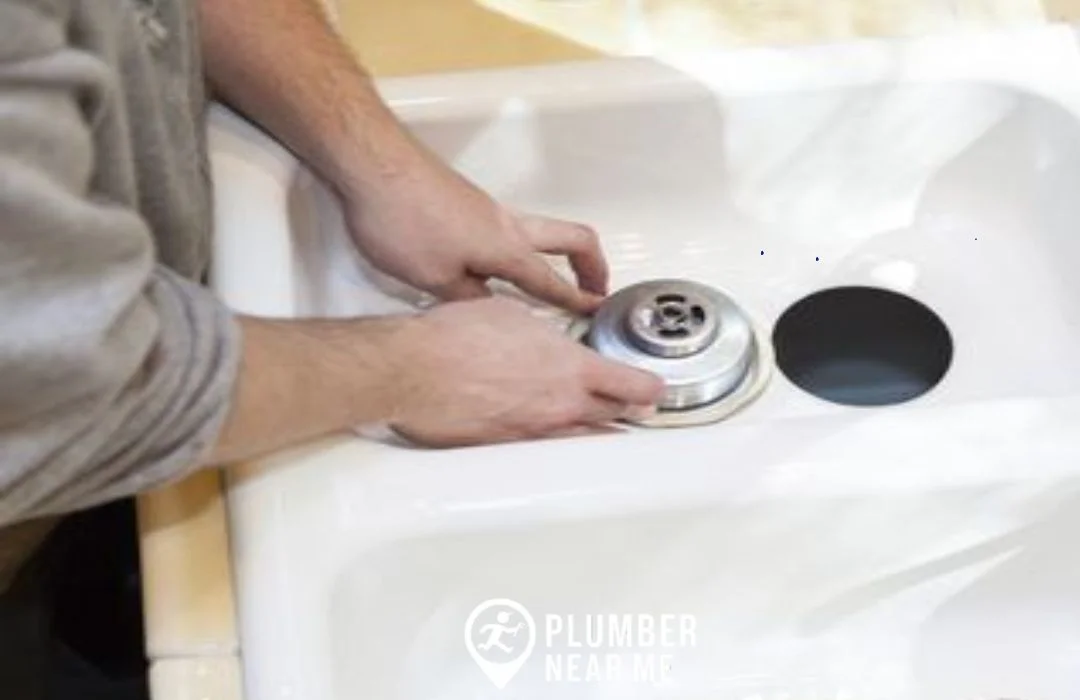
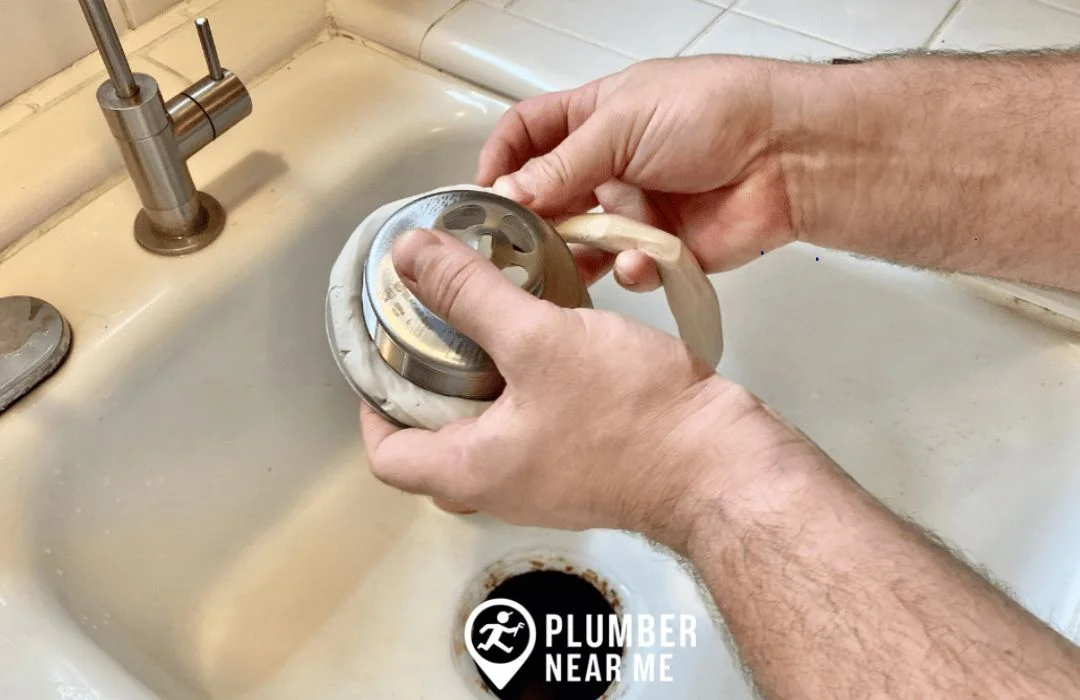
Plumber’s putty is a malleable, clay-like substance that creates a watertight seal between plumbing fixtures and their surfaces. It is typically made from clay and linseed oil or similar base materials, which give it its unique properties.
Common Uses of Plumber’s Putty:
-
- Sealing around sinks, faucets, and drains in kitchens and bathrooms.
-
- Securing fixtures where a flexible, removable seal is needed.
-
- Sealing drain holes in tubs, sinks, and basins.
Key Characteristics of Plumber’s Putty
-
- Malleability: Easy to mold and apply.
-
- Waterproof Seal: Creates an effective barrier against leaks when used correctly.
-
- Removability: Can be easily removed and replaced when needed.
Why Is Plumber’s Putty Not Suitable for Outdoors?
While plumber’s putty is highly effective indoors, exposure to outdoor elements can lead to degradation, loss of sealing ability, and fixtures failure.
Factors Causing Degradation of Plumber’s Putty Outdoors
1. Moisture and Humidity
Outdoor environments are often subjected to high humidity and direct contact with rain or dew. Plumber’s putty can absorb moisture, leading to softening, cracking, or disintegration over time.
2. Ultraviolet (UV) Radiation
Prolonged exposure to UV rays from sunlight can cause chemical breakdown of the putty. UV exposure leads to hardening and loss of flexibility, which are vital for a good seal.
3. Temperature Fluctuations
Outdoor temperatures can swing dramatically, from scorching heat to freezing cold. Extreme temperatures can cause plumber’s putty to expand or contract, reducing its sealing effectiveness or causing it to crack.
4. Weather Conditions
Rain, snow, hail, and wind can erode or wash away the putty, especially if it’s not designed to withstand such weather elements. Accumulating debris or dirt can also compromise the integrity of the seal.
The Limitations of Plumber’s Putty for Outdoor Applications
Limited Durability
Plumber’s putty is designed to function best in indoor environments where conditions are relatively stable. Its chemical composition does not lend itself to withstand outdoor challenges for extended periods.
Chemical Breakdown
Exposure to UV rays can cause chemical breakdown and discoloration, leading to loss of adhesion and eventual failure to seal.
Incompatibility with Certain Materials
Some outdoor fixtures or materials may react negatively with plumber’s putty, causing staining, corrosion, or other forms of damage when exposed long-term.
Better Alternatives for Outdoor Sealing
For outdoor plumbing applications, it’s prudent to use materials specifically designed to withstand environmental stressors.
Recommended Sealants for Outdoor Use:
-
- Silicone Sealant
-
- Suitable for sealing gaps around outdoor fixtures, windows, and doors.
-
- Weatherproof, UV-resistant, and flexible.
-
- Silicone Sealant
-
- Polyurethane Sealant
-
- Provides excellent durability in outdoor conditions.
-
- Resistant to moisture, UV radiation, and temperature changes.
-
- Polyurethane Sealant
-
- Hydraulic Cement
-
- Ideal for repairs involving structural leaks or cracks.
-
- Waterproof and durable.
-
- Hydraulic Cement
-
- Epoxy Resin
-
- Suitable for repair tasks requiring high strength and corrosion resistance.
-
- Epoxy Resin
Practical Tips for Using Sealants Outdoors
-
- Choose the Right Material: Always select sealants based on the specific outdoor application.
-
- Follow Manufacturer Instructions: Proper application ensures longevity and effectiveness.
-
- Prepare Surfaces: Clean and dry surfaces thoroughly before applying sealant.
-
- Apply in Optimal Weather Conditions: Avoid applying sealants during rain, extreme cold, or heat.
Conclusion
Plumber’s putty is an excellent choice for indoor plumbing applications where conditions are controlled and stable. Its composition, however, makes it vulnerable to outdoor elements such as moisture, UV rays, temperature fluctuations, and weather conditions. Using plumber’s putty outdoors can lead to seal failure, leaks, and increased maintenance costs.
For exterior sealing needs, it is advisable to opt for weather-resistant sealants, such as silicone, polyurethane, or epoxy based products, to ensure durable and lasting results.
If you are searching for assistance with outdoor or indoor plumbing projects, including repairs, installations, or sealant selection, consider reaching out to a local plumber. Whether you’re in need of a residential plumber near me or an emergency plumber near me, professional plumbers have the expertise and tools to recommend the best solution for your situation.
FAQs
1. Can plumber’s putty be used outside temporarily?
Yes, for short-term repairs or sealing, plumber’s putty can be used outdoors, but it is not recommended for long-term or permanent outdoor sealing.
2. What happens if plumber’s putty gets wet outdoors?
Exposure to moisture can cause the plumber’s putty to soften, crack, or wear away faster, leading to potential leaks.
3. Is sealant a better option than plumber’s putty for outdoor applications?
Yes, weather-resistant sealants like silicone or polyurethane are designed to withstand outdoor conditions, making them more suitable for outdoor sealing than plumber’s putty.
4. How often should I replace outdoor sealants?
It depends on the product and environmental conditions, but generally, check annually and replace when you notice cracks, peeling, or loss of adhesion.
5. Where can I find reliable plumbing services near me?
You can easily find a licensed plumber near me or plumbing services near me through trusted platforms or by visiting Plumber Near Me.
Remember, proper material selection and application are key to ensuring a long-lasting plumbing system, whether indoors or outdoors. Don’t hesitate to seek professional help when needed to avoid costly repairs and ensure the integrity of your plumbing.
Call Now for More Information
While plumber’s putty is a go-to sealant for many indoor plumbing tasks, it’s not designed to withstand outdoor conditions. Exposure to sun, rain, and fluctuating temperatures can cause it to dry, crack, and fail, leading to leaks. If you need help with outdoor plumbing repairs or installations, it’s best to consult a licensed plumber who can recommend and apply the correct sealant for lasting results. Call today to get expert guidance and reliable service for your specific plumbing needs.