“Choosing the Right Pipe Material for Your Home Plumbing Project”
A plumber’s pipe refers to any pipe used within plumbing systems to transport water, waste, or gases. These pipes are fundamental components that ensure the efficient and safe functioning of residential, commercial, and industrial plumbing systems. From delivering clean drinking water to removing waste products, pipes serve as the infrastructure backbone of any plumbing setup. You May Also Like: Methods to Locate Local Gas Plumbing Professionals.
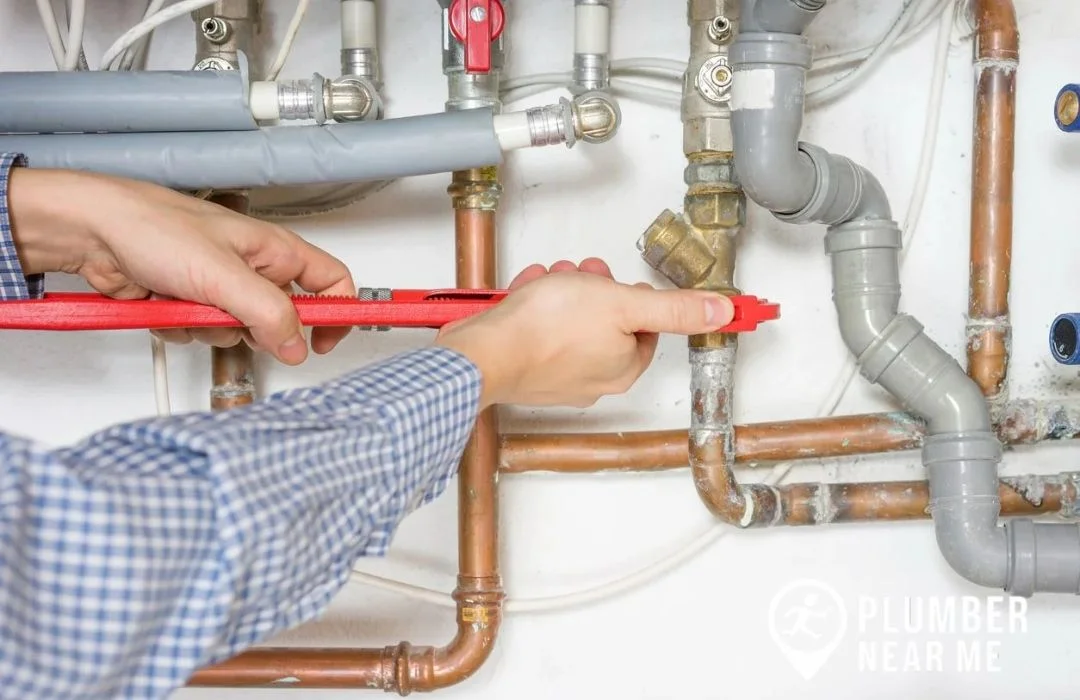
Understanding the types of pipes used by plumbers, their materials, and their applications is essential for homeowners, property managers, and aspiring plumbers alike. This guide will explore the various types of plumber pipes, their functions, and important considerations for selecting the right pipe for specific plumbing needs.
Types of Plumbing Pipes
There are numerous types of pipes used in plumbing systems, each designed for specific purposes and suited to different environments. Here’s an overview of the most common plumbing pipes:
1. PVC (Polyvinyl Chloride) Pipes
PVC pipes are among the most popular due to their affordability, lightweight nature, and resistance to corrosion. They are typically used for drainage, waste, and vent systems.
-
-
Characteristics:
-
- Durable and corrosion-resistant
-
- Easy to install and cut
-
- Suitable for cold water applications
-
-
-
-
Common applications:
-
- Drain pipes in residential and commercial buildings
-
- Vent stacks
-
- Sewage systems
-
-
Important: PVC should not be used for hot water lines because it can deform at high temperatures.
2. CPVC (Chlorinated Polyvinyl Chloride) Pipes
CPVC pipes are similar to PVC but are chlorinated to withstand higher temperatures.
-
-
Characteristics:
-
- Heat-resistant (withstands up to 200°F)
-
- Resistant to corrosion and chemical damage
-
- Suitable for hot and cold water systems
-
-
-
-
Common applications:
-
- Hot water supply lines
-
- Potable water systems
-
-
3. Copper Pipes
Copper pipes have been a standard in plumbing for decades and are revered for their durability and long-lasting characteristics.
-
-
Types of copper pipes:
-
- Type K: Thickest, used for main water lines
-
- Type L: Commonly used in household plumbing
-
- Type M: Thinner, designed for residential applications
-
-
-
-
Advantages:
-
- Corrosion-resistant when properly installed
-
- Capable of handling hot and cold water
-
- Antibacterial properties
-
-
-
-
Disadvantages:
-
- Costly compared to plastic pipes
-
- Susceptible to freezing damage if not properly insulated
-
-
4. PEX (Cross-linked Polyethylene)
PEX pipes are flexible, easy to install, and resistant to freezing and corrosion.
-
-
Characteristics:
-
- Highly flexible, allowing tight turns
-
- Suitable for hot and cold water systems
-
- Easy to install with fewer fittings
-
-
-
-
Common applications:
-
- Residential plumbing
-
- Radiant floor heating
-
-
-
-
Advantages:
-
- Cost-effective and quick to install
-
- Resistant to scale and chlorine
-
-
5. Galvanized Steel Pipes
Once a standard for water supply, galvanized steel pipes are now less common due to corrosion issues over time.
-
-
Characteristics:
-
- Strong and durable
-
- Prone to corrosion and rusting
-
-
-
-
Applications:
-
- Historically used in home water lines
-
- Now mostly found in older homes
-
-
Note: Galvanized steel pipes are often replaced during plumbing repairs due to corrosion and potential contamination.
6. Cast Iron Pipes
Cast iron pipes are traditionally used in sewer and drainage systems.
-
-
Advantages:
-
- Very durable
-
- Excellent soundproofing qualities
-
-
-
-
Disadvantages:
-
- Heavy and difficult to install
-
- Prone to cracking and corrosion over time
-
-
Materials and Their Suitability
| Pipe Material | Temperature Resistance | Corrosion Resistance | Typical Use | Cost |
|---|---|---|---|---|
| PVC | Cold water | High | Drainage, vent, sewer | Low |
| CPVC | Hot and cold water | High | Hot water lines | Moderate |
| Copper | Hot and cold water | Moderate to high | Domestic water supply | High |
| PEX | Hot and cold water | High | Residential plumbing | Moderate |
| Galvanized Steel | Hot and cold water | Moderate (prone to rust) | Older homes | Low (obsolete) |
| Cast Iron | Drainage, sewer | Moderate | Sewer, drainage | High |
Factors to Consider When Choosing Plumbing Pipes
Proper selection of plumbing pipes is crucial to ensure system longevity, efficiency, and safety. Here are some key considerations:
-
- Application type: Is the pipe for water supply, drainage, or gas?
-
- Temperature: Can the pipe handle hot or cold water?
-
- Pressure requirements: Will the pipe withstand high pressure?
-
- Material compatibility: Is the material compatible with the other piping or environmental factors?
-
- Cost considerations: Balance budget constraints with durability.
-
- Local building codes: Ensure compliance with regulations.
Installation and Maintenance Tips
-
- Hire a licensed plumber near me to ensure proper installation.
-
- Use appropriate fittings and sealants to prevent leaks.
-
- Regularly inspect pipes for signs of leaks, corrosion, or damage.
-
- Insulate pipes in colder climates to prevent freezing.
-
- Clean drain pipes regularly to prevent blockages.
-
- Address leak repairs promptly to avoid water damage and increased bills.
The Role of a Plumbing Professional
A plumber plays a vital role in installing, repairing, and maintaining pipes. Their expertise ensures that systems operate safely and efficiently. Whether it’s installing new pipes, replacing old ones, or troubleshooting specific issues like water heater repair near me or sewer repair, hiring a qualified plumber is essential.
If you’re searching for a reliable plumber, you might consider a local plumber or look for an emergency plumber near me. Services like Plumber Near Me make it easy to find a plumber near me, whether you need a residential plumber near me or a commercial plumber near me.
Conclusion
Plumber’s pipes form the core of any plumbing system, responsible for transporting water, waste, and gases reliably and safely. Choosing the right type of pipe depends on the specific application, environmental conditions, budget, and compliance with local regulations. From PVC and PEX to copper and cast iron, each material offers unique advantages and disadvantages.
Proper installation, regular maintenance, and timely repairs are key to ensuring the longevity of your plumbing system. When in doubt, consulting with a licensed plumber in your area can prevent costly issues down the line and ensure your plumbing is up to code and functioning optimally.
For immediate assistance or complex plumbing needs, don’t hesitate to contact a plumber near me. Reliable plumbing services ensure that your home or business remains safe, efficient, and comfortable.
FAQs
Q1: What is the best type of pipe for hot water supply?
A: Copper and CPVC pipes are ideal for hot water lines due to their heat resistance. PEX is also a popular alternative because of its flexibility and durability.
Q2: Are plastic pipes better than metal pipes?
A: Plastic pipes such as PVC, CPVC, and PEX are often more affordable, lightweight, and resistant to corrosion, making them suitable for many applications. Metal pipes like copper and galvanized steel are more durable in certain environments but can be more expensive and prone to corrosion over time.
Q3: How do I choose a reliable plumber?
A: Look for licensed and insured plumbers in your area. Checking reviews and asking for references can also help. Additionally, sources like Plumber Near Me can connect you with reputable local professionals.
Q4: How often should I replace my plumbing pipes?
A: The lifespan of pipes varies based on material. Copper pipes can last 50+ years, while plastic pipes may last 25-40 years. Regular inspections can help identify signs of deterioration early.
Q5: What should I do if I experience a pipe leak?
A: Turn off the water supply immediately to prevent water damage. Contact a licensed plumber for prompt leak repair and assess the extent of damage.
In conclusion, the choice and maintenance of plumber’s pipes are integral to maintaining a safe and efficient plumbing system. Whether you’re updating an old system or installing new plumbing, understanding the different types of pipes and their applications empowers you to make informed decisions. For professional assistance, always seek the services of a trusted local plumber or 24 hour plumber near me to ensure lasting results.
Call Now for More Information
When planning or upgrading a plumbing system, knowing the types of pipes available is essential. Different pipes serve different purposes depending on durability, flexibility, cost, and the type of water being carried. Popular choices include PVC pipes for drain lines, copper for water supply, and PEX for its flexibility and ease of installation in modern homes.
Copper pipes are known for their long-lasting performance and are corrosion-resistant, making them a solid choice for clean water supply lines. On the other hand, PEX (cross-linked polyethylene) has become a favorite in new constructions due to its adaptability and quick installation time. Galvanized steel, once widely used, is now rarely recommended due to corrosion issues over time.
Each type of pipe plays a unique role in a well-functioning plumbing system. If you’re not sure which one is right for your property, we can help you make the right decision. Call now for more information and get expert advice tailored to your plumbing needs.