“Top Mistakes to Avoid When Using Plumber’s Putty”
Understanding Plumber’s Putty A Versatile Sealing Compound for Plumbing Repairs. Plumber’s putty is an essential material in the toolkit of both professional plumbers and DIY enthusiasts. Its versatile nature and reliable sealing capabilities make it an ideal choice for various plumbing tasks—particularly in creating watertight seals around fixtures, drains, and other plumbing components. Whether you’re fixing a leaky sink or installing a new faucet, understanding how to effectively use plumber’s putty can greatly improve your plumbing repairs and installations. You May Also Like: Expert Plumbing Specialist for Installation Repair and Maintenance.
What Is Plumber’s Putty?
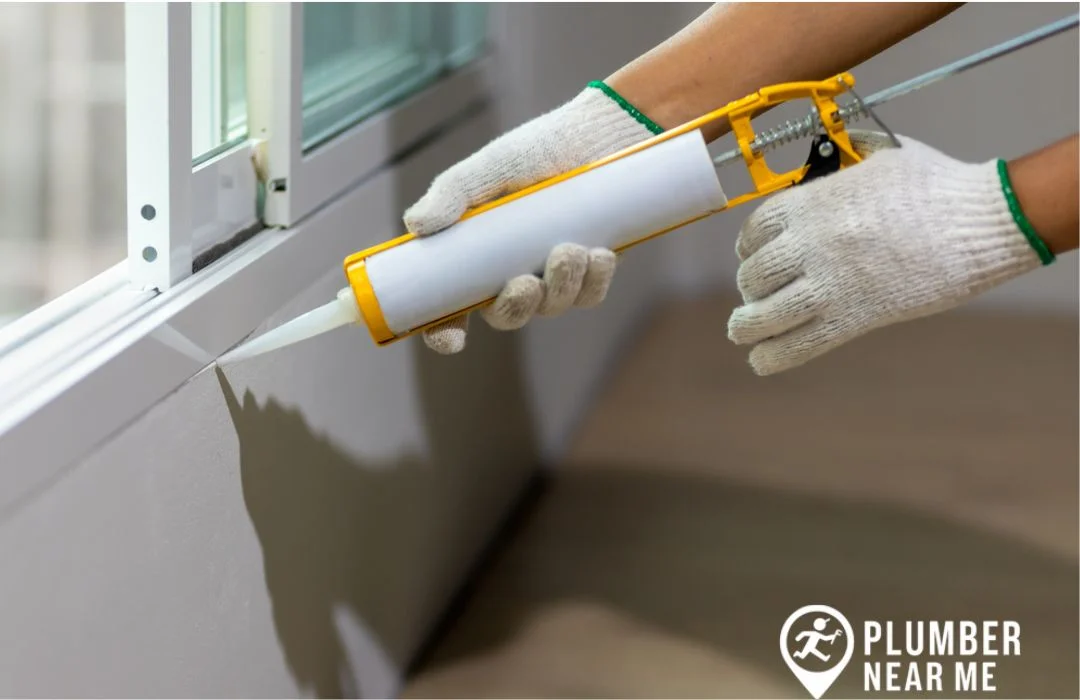
Plumber’s putty is a soft, malleable sealing compound primarily used in plumbing. It is typically made from a combination of natural mineral rubber (such as talc or clay) combined with other ingredients that give it a pliable texture. This compound remains flexible and sealant-like after application, which helps to prevent leaks around fixtures.
Key Features of Plumber’s Putty:
-
- Watertight Sealant: Ensures no water leaks escape around fixtures.
-
- Flexible and Malleable: Easy to mold into shape and conforms well to uneven surfaces.
-
- Removable: Once set, it can be easily removed if fixtures need to be replaced or adjustments are necessary.
-
- Temperature Resistant: Suitable for use in varying temperature conditions common in plumbing systems.
Note: Plumber’s putty is not suitable for all plumbing applications, especially those involving pressurized water systems, ABS or PVC pipes, or where a permanent seal is required without removal.
When to Use Plumber’s Putty
Common Applications:
-
- Faucet Repair and Installation: Sealing around the base of kitchen and bathroom faucets.
-
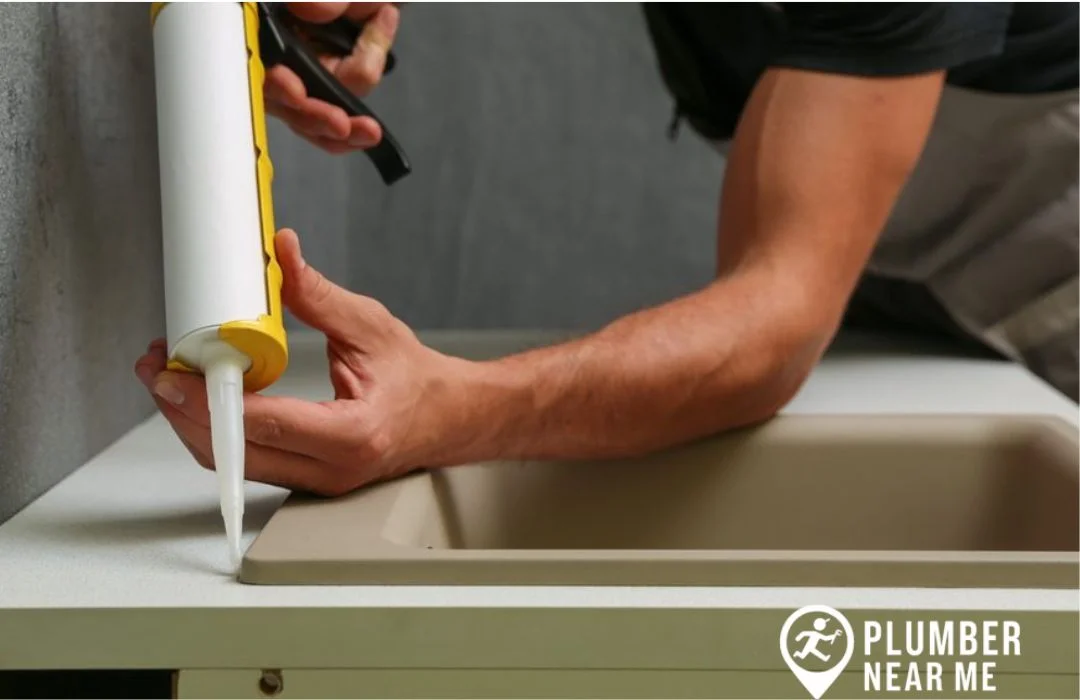
- Drain Assembly: Sealing around sink drains and baths.
-
- Fixture Mounting: Securing and sealing fixtures on countertops or tubs.
-
- Air Gap Fittings: Creating watertight seals in dishwashers and other appliances.
-
- Overflow Plates: For sinks or tubs where overflow covers need sealing.
Important: Avoid using plumber’s putty on under-mount sinks where it can stain or damage the surface. Additionally, it should not be used where permanent bonding is needed, as it cannot be sanded or painted over.
How to Use Plumber’s Putty Effectively
Step 1: Gather Your Materials
Before starting, ensure you have:
-
- Plumber’s putty
-
- Clean cloth or rag
-
- Putty knife or similar tool
-
- Wrench or adjustable pliers
-
- Cleaning supplies (for surface preparation)
Step 2: Prepare the Surface
-
- Clean the surface thoroughly to remove any dirt, grease, or old sealant. A clean surface ensures proper adhesion.
-
- Dry the area completely.
Step 3: Knead the Putty
-
- Take a small amount of plumber’s putty and knead it into a ball or rope-like shape. This makes it easier to mold.
Step 4: Apply the Putty
-
- Roll the putty into a snake-like shape or flatten it into a thin disc.
-
- Place the putty around the drain flange, faucet base, or fixture opening, depending on your task.
-
- Make sure to press firmly to create a complete seal.
Step 5: Position the Fixture
-
- Insert the fixture or drain assembly into its opening.
-
- From underneath, thread the mounting nuts or fittings onto the fixture to secure it.
-
- Wipe away any excess putty that squeezes out with a damp cloth or rag.
Step 6: Final Check
-
- Tighten fittings carefully to avoid squeezing out excess putty.
-
- Test for leaks by running water.
-
- If needed, apply a small amount of additional putty for better sealing.
Tips for Using Plumber’s Putty Effectively
-
- Always use a thin, even layer of putty; overly thick layers can cause improper sealing.
-
- Do not use plumber’s putty on plastic or composite sink surfaces that can stain or be damaged.
-
- Once the job is complete, remove any excess putty from the surface to maintain a neat appearance.
-
- For permanent, pressure-resistant seals, consider using silicone sealants or other appropriate adhesives.
Advantages of Using Plumber’s Putty
-
- Ease of Use: Its malleable consistency makes it easy to apply and mold.
-
- Removable: Ideal for fixtures that may need adjustments or replacement.
-
- Cost-Effective: Typically inexpensive but highly effective.
-
- Wide Compatibility: Suitable for many plumbing applications, especially in residential settings.
Limitations and Cautions
-
- Cannot be used where permanent or pressure-resistant seals are required.
-
- Not compatible with certain plastics and metals (like PVC, ABS, or certain synthetic materials).
-
- Should not be used as a permanent sealant for underground or exposed plumbing where durability is critical.
-
- Staining: It may stain natural stone surfaces such as granite or marble if not cleaned properly.
Alternatives to Plumber’s Putty
-
- Silicone Sealant: Better for permanent, flexible seals, especially in areas exposed to weather.
-
- Teflon Tape: Used mainly to seal threaded pipe connections.
-
- Pipe Dope: A paste used on threaded pipe joints for sealing.
Conclusion
Plumber’s putty remains an invaluable tool for plumbing repairs and fixture installations. Its ease of application, removability, and reliable sealing capabilities make it particularly suitable for tasks involving sinks, drains, and fixture mounting. Proper application involves cleaning surfaces, molding the putty correctly, and securing fixtures tightly to avoid leaks.
Always remember to consider the specific requirements of your plumbing project. When used correctly, plumber’s putty can provide a durable and watertight seal that keeps your plumbing system functioning smoothly. For more complex or specialized repairs, consulting a licensed plumber near me can ensure the job is done right, efficiently, and safely.
FAQs
Q1: Can I use plumber’s putty on plastic surfaces?
A: Generally, no. Plumber’s putty can stain or damage some plastics. Always check manufacturer recommendations or opt for a silicone sealant designed for plastics.
Q2: Is plumber’s putty waterproof?
A: Yes, once set, plumber’s putty creates a watertight seal, making it suitable for most plumbing applications involving water.
Q3: How long does plumber’s putty last?
A: If properly applied and not subjected to extreme conditions, it can last for many years. However, in areas exposed to constant movement or stress, it may need replacement.
Q4: Can plumber’s putty be removed easily?
A: Yes, it is removable by scraping or cleaning with a suitable solvent. This is one of its advantages over permanent sealants.
Q5: Is plumber’s putty suitable for outdoor plumbing?
A: It is generally best suited for indoor plumbing. For outdoor or exposed applications, silicone or other sealants are often more durable and weather-resistant.
For professional assistance or to find a reliable plumber in my area, consider visiting Plumber Near Me. They offer a wide range of plumbing services near me, ensuring your plumbing issues are resolved efficiently and effectively.
Call Now for More Information
Master the art of sealing like a pro with Effective Ways to Use Plumber’s Putty for Sealing — the ultimate software designed for plumbers, DIYers, and maintenance professionals. This user-friendly program breaks down the essential techniques for using plumber’s putty in various sealing scenarios, from sink drains to faucet bases. Whether you’re new to plumbing or looking to improve your skillset, this software offers clear guidance with visuals, interactive tutorials, and troubleshooting tips.
Avoid costly mistakes and wasted materials by learning exactly when and how to use plumber’s putty versus other sealants. The software covers real-world applications, common errors to avoid, and expert recommendations tailored to different surfaces and fixtures. With its intuitive layout and practical modules, you’ll gain confidence and precision in every seal.
Ready to upgrade your sealing skills and stop leaks for good? Call now for more information and get started with Effective Ways to Use Plumber’s Putty for Sealing! Our support team is available to answer your questions, walk you through features, and help you make the most of this powerful tool. Don’t wait — get sealing smarter today.