“Effective Techniques and Tools Used by Plumbers to Locate Leaks”
Detecting leaks within plumbing systems is a crucial aspect of maintaining the integrity and efficiency of residential and commercial properties. Whether it’s a minor drip or a significant water intrusion, rapidly identifying the source of a leak can save homeowners and businesses significant time, money, and potential damage. Professional plumbers utilize a variety of techniques and tools designed to locate leaks accurately and efficiently. This article delves into the most common and effective methods employed by licensed plumbers, providing valuable insights into each approach. You May Also Like: Average Drain Unclogging Costs Ranging From One Hundred To Three Hundred.
Common Techniques Used to Locate Leaks
1. Visual Inspection
The first step always involves a comprehensive visual assessment of the plumbing system and surrounding areas. Plumbers look for:
-
- Water stains on walls, ceilings, or floors
-
- Mold growth, which indicates prolonged moisture exposure
-
- Abnormal dampness or water pooling
-
- Corrosion or deterioration in pipes
Visual inspection helps identify obvious issues before deploying advanced tools, saving time and effort.
2. Listening Devices (Acoustic Leak Detection)
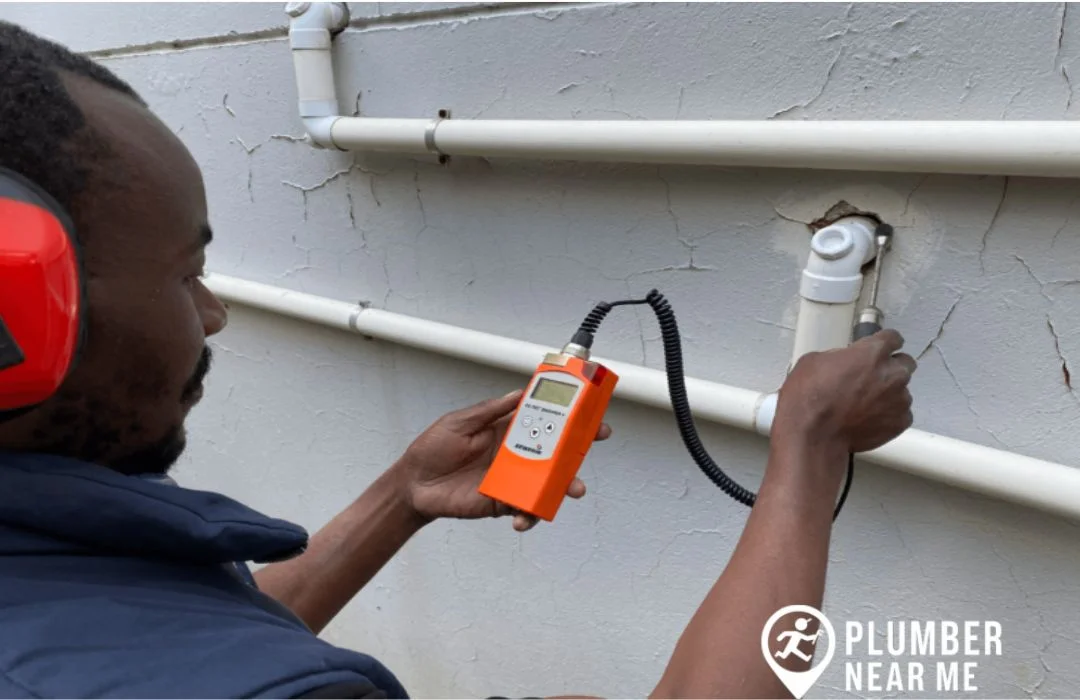
Acoustic leak detection uses specialized listening devices known as stethoscopes or geophones to detect the sound of escaping water.
-
- How it works: The device amplifies the sound of water leaking through pipes, even if hidden behind walls or beneath floors.
-
- Best for: Detecting leaks in pressurized systems, especially in complex or inaccessible locations.
Advantages:
-
- Non-invasive
-
- Effective in detecting leaks underwater or behind walls
3. Pressure Testing
This technique involves pressurizing a section of the plumbing system with air or water and observing if the pressure drops over time.
-
- If the pressure decreases, it indicates a leak somewhere within the tested segment.
-
- It’s especially useful for diagnosing hidden leaks in pipes underground or behind concrete.
Steps:
-
- Seal off the section of pipe
-
- Introduce air or water at a fixed pressure
-
- Monitor for pressure drops over a specific period
4. Thermal Imaging Cameras
Modern thermal imaging is a revolutionary tool in leak detection.
-
- How it works: Thermal cameras detect temperature differences in surfaces caused by water leaks.
-
- Applications: Locating leaks behind walls or underground pipes by spotting cooler areas where water has seeped.
Benefits:
-
- Non-destructive and quick
-
- Capable of scanning large areas
-
- Effective for detecting hidden leaks in residential and commercial properties
5. Moisture Meters
Moisture meters detect excess moisture content in building materials.
-
- Use case: Confirming water presence in floors, walls, or ceilings suspected of leaks.
-
- Limitations: Not suitable for locating the exact leak point but helpful in pinpointing affected zones.
Technological Tools for Leak Location
1. Acoustic Correlation Devices
This advanced equipment pairs multiple microphones placed along the pipe to compare sound waves, accurately pinpointing leak locations.
-
- Functionality: Detects the difference in sound at various points, calculating the exact spot of the leak.
-
- Ideal for complex underground pipe network leak detection.
2. Video Pipe Inspection Cameras
Using tiny, flexible cameras, plumbers can visualize the interior of pipes.
-
- Procedure: Insert the camera through access points to inspect the pipe for cracks, blockages, or leaks.
-
- Advantages:
-
- Precise leak detection
-
- Helps assess the extent of damage
-
- Advantages:
Key Steps in Leak Detection
-
- Initial Consultation and Visual Inspection
-
- Applying the Appropriate Technique Based on Visual Findings
-
- Using Advanced Tools for Precise Location
-
- Confirming the Leak Source
-
- Providing an Effective Repair Solution
Why Choose Professional Leak Detection Services?
While DIY methods like listening for hissing sounds or inspecting visible pipes may be tempting, professional plumbers possess specialized skills and tools that ensure accurate detection:
-
-
Save Time and Money
Proper diagnosis prevents unnecessary repairs.
-
-
-
Prevent Further Damage
Early detection minimizes property damage and mold growth.
-
-
-
Ensure Long-Term Solutions
Accurate location means targeted repairs, leading to longer-lasting fixes.
-
If you’re searching for plumbing services near me, find a licensed plumber near me to ensure quality leak detection and repair.
Conclusion
Locating leaks accurately is essential in maintaining the safety and functionality of plumbing systems. Professional plumbers leverage a combination of traditional techniques like visual inspections and advanced technological tools such as thermal imaging, acoustic detection, and video inspections. These methods enable rapid, non-invasive, and precise leak detection, allowing for timely repairs and cost-effective solutions.
Remember, if you suspect a leak, it’s best to contact a licensed plumber promptly. Using expert services ensures that leaks are identified early, preventing costly damage and restoring system integrity efficiently.
For reliable leak detection and plumbing services, consider reaching out via Plumber Near Me, your trusted brand for all plumbing needs across the USA.
FAQs
Q1: How can I tell if I have a leak?
Look for signs such as unexpected increases in water bills, water stains, musty odors, or damp spots on walls and floors. Using a moisture meter or listening devices can also help confirm the presence of a leak.
Q2: Can I locate a leak myself?
While minor visual clues can be checked by homeowners, professional leak detection involves specialized tools and expertise. For complex or hidden leaks, it’s best to hire a licensed plumber.
Q3: What is the cost of professional leak detection?
Cost varies depending on the extent of the leak, location, and technique used. However, investing in professional detection can save money by preventing damage and unnecessary repairs.
Q4: How long does leak detection take?
In most cases, professional leak detection can be completed within a few hours, depending on the complexity.
Q5: What should I do if I find a leak?
Shut off the main water supply immediately to prevent water damage and contact a plumber for prompt assessment and repair.
For a reliable local plumber, or if you’re searching for plumbing repair near me, always choose professionals with the right expertise and tools. Whether it’s a residential plumber near me or a commercial plumber near me, prompt detection and repairs are essential to maintaining your property’s integrity.
Call Now for More Information
Detecting leaks early is crucial to preventing costly water damage in any property. Professional plumbers use a combination of traditional and advanced methods to identify leaks efficiently. These techniques range from visual inspections and moisture detection to the use of sophisticated tools like infrared cameras and acoustic leak detectors. Each method plays a vital role in accurately locating leaks, even in hard-to-reach areas, saving time and reducing unnecessary repairs.
One of the most common methods plumbers rely on is the use of pressure testing and acoustic sensors. Pressure testing helps to find drops in water pressure that indicate a leak, while acoustic devices pick up the sound of escaping water within pipes. Infrared thermography is another popular technique, as it allows plumbers to see temperature differences behind walls or under floors, revealing hidden leaks without the need for invasive wall or floor removal. These modern tools make leak detection faster and more precise than ever before.
If you suspect a leak in your home or commercial property, don’t wait for the problem to escalate. Contact a professional plumber who uses these effective detection methods to identify and resolve leaks quickly. Call now for more information and schedule an inspection to protect your property from water damage before it’s too late.