Understanding Repiping When and Why You Need a Professional Plumber
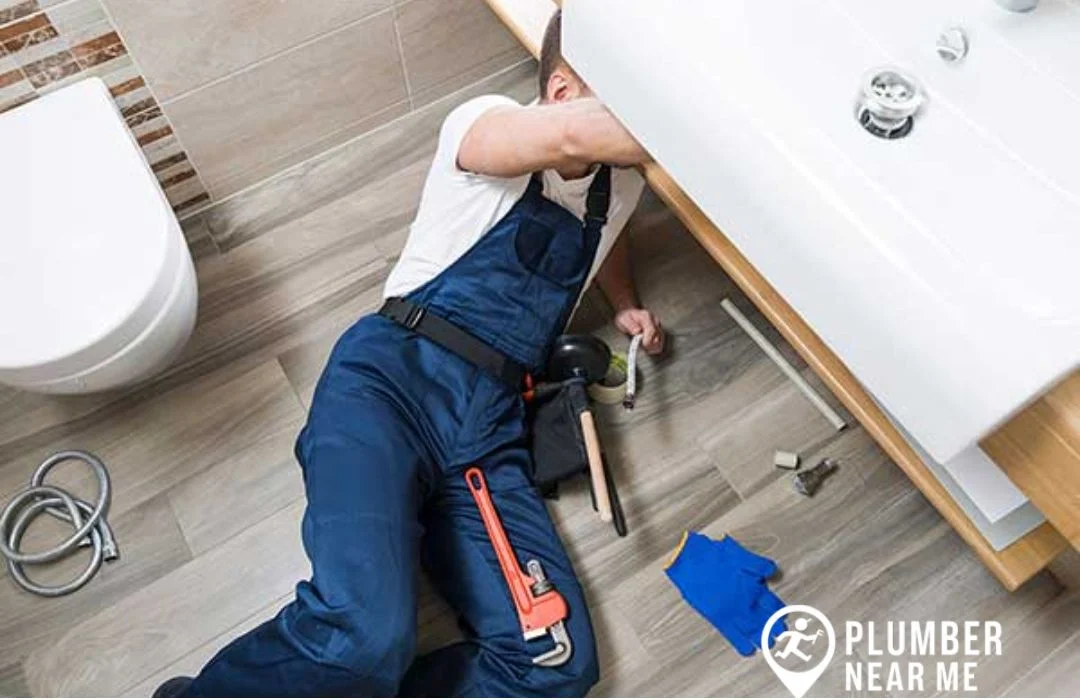
Repiping is an essential service performed by a specialized plumber to restore and improve the plumbing system within a building. Over time, pipes can become corroded, damaged, or obsolete, leading to a variety of plumbing issues that compromise safety and efficiency. In this article, we will explore what repiping entails, the signs that indicate the need for it, the materials used, and the benefits of hiring a professional plumber. You May Also Like: Searching For Outdoor Plumbing Services Like Installation Or Repairs.
What Is Repiping?
Repiping involves removing old, damaged, or corroded pipes and replacing them with new piping materials. This service can cover the entire plumbing system or specific sections, depending on the extent of damage and the plumbing needs of the property.
Key aspects of repiping include:
-
- Complete system overhaul or partial replacement
-
- Ensuring compliance with building codes
-
- Improving water pressure, quality, and safety
-
- Installing modern pipe materials for durability and performance
When Is Repiping Necessary?
Certain signs and issues suggest that your property requires repiping rather than simple repairs. Recognizing these early can save you time, money, and potential health hazards.
Common Indicators:
-
- Persistent Leaks: Continuous leaks that are difficult to fix or appear in multiple locations
-
- Reduced Water Pressure: Low or inconsistent water flow, especially from multiple fixtures
-
- Discolored or Murky Water: Rust-colored water indicating corroded pipes
-
- Unusual Smells or Tastes: Contaminants entering the water supply due to pipe degradation
-
- Frequent Plumbing Repairs: Requiring multiple repairs over a short period suggests systemic issues
-
- Age of Pipes: Buildings with galvanized steel pipes older than 50 years likely need updating
-
- Noise in Pipes: Banging or knocking sounds indicating pipe issues or pressure problems
Reasons to Opt for Professional Repiping Services
Repiping is a complex task that requires specialized knowledge, tools, and safety precautions. Hiring a licensed plumber ensures the job is performed correctly and safely.
Benefits of professional repiping:
-
- Expertise and Experience: Knowledge of different piping materials and techniques
-
- Proper Installation: Ensuring system integrity, safety, and compliance with local codes
-
- Efficient Work: Completing projects in a timely manner
-
- Warranty and Guarantees: Peace of mind with assured quality
-
- Minimal Disruption: Professional plumbers work efficiently to reduce inconvenience
Types of Plumbing Materials Used in Repiping
Choosing the right pipe material is crucial for durability, water quality, and cost. Different materials are suitable depending on building type, budget, and preferences.
Common piping options include:
-
-
PEX (Cross-Linked Polyethylene):
-
- Flexible, easy to install, resistant to freezing
-
- Suitable for a variety of applications
-
- Cost-effective option
-
-
-
-
Copper Pipes:
-
- Known for durability and long lifespan
-
- Resistant to bacteria and corrosion over time
-
- Higher cost and requiring specialized fittings
-
-
-
-
PVC (Polyvinyl Chloride):
-
- Light-weight and inexpensive
-
- Usually used for drainage and venting, not for water supply
-
-
-
-
Galvanized Steel:
-
- Older systems often use this material, which is prone to corrosion and rust
-
- Replacement usually recommended
-
-
Factors influencing material choice:
-
- Building age and existing infrastructure
-
- Local building codes
-
- Budget constraints
-
- Water quality considerations
The Repiping Process: What to Expect
The process of repiping can vary based on the scope of work and building type. Here’s a general overview:
1. Inspection and Assessment
A professional plumber will evaluate your plumbing system to identify problem areas and determine the best approach.
2. Planning and Permitting
A detailed plan is developed, and necessary permits are obtained in compliance with local codes.
3. Water Shut-Off and Drainage
Water supply to the building is turned off, and fixtures are drained to prevent water spillage.
4. Removal of Old Pipes
Depending on the system, pipes may be accessed through either cutting or existing access points.
5. Installation of New Pipes
New pipes are carefully installed, sealed, and tested for leaks and pressure.
6. Restoration and Cleanup
Once tested, walls or ceilings are restored to their original state, and the area is cleaned.
Benefits of Re-piping Your Property
Undergoing repiping offers numerous advantages including:
-
- Enhanced Water Quality: Removing rust and sediments improves taste and safety
-
- Improved Water Pressure: New pipes reduce flow restrictions
-
- Increased System Reliability: Reduces unexpected leaks and pipe failures
-
- Cost Savings: Fewer repairs and higher efficiency lower utility bills
-
- Property Value: Modern plumbing can boost home valuation
-
- Compliance and Safety: Meets current building codes and safety standards
Choosing the Right Plumber for Your Repiping Needs
Selecting a reputable plumber near me is crucial for a successful repiping project. Factors to consider include:
-
- Licensing and Certification: Ensures adherence to safety standards
-
- Experience and Specialization: Look for plumbers experienced in repiping
-
- Reviews and References: Check reviews and ask for references
-
- Availability: Especially during emergencies, consider 24 hour plumber near me options
-
- Insurance: Protects against potential damages during work
To ensure quality and peace of mind, it’s advisable to look for a licensed plumber who offers comprehensive plumbing services near me.
Cost of Repiping
The cost of repiping varies depending on factors such as:
-
- Size and complexity of the property
-
- Materials used
-
- Accessibility of pipes
-
- Geographic location
On average, homeowners can expect to pay $4,000 to $15,000 for a full house repipe. While this may seem significant, consider the long-term savings, reduced maintenance costs, and increased property value.
Conclusion
Repiping is a vital solution for property owners facing persistent plumbing issues, outdated pipes, or safety concerns. While it involves significant labor, the benefits—improved water quality, increased safety, and long-term savings—make it a worthwhile investment.
To ensure the job is done right, always hire a professional, licensed plumber with a solid reputation. Proper assessment, planning, and execution will guarantee your plumbing system operates efficiently, safely, and reliably for years to come.
For top-quality plumbing repair near me or comprehensive plumbing services near me, consider visiting Plumber Near Me.
FAQs
Q1: How long does a repiping job typically take?
A: The duration depends on the size of the property and complexity of the job. Generally, it takes 1 to 3 days for a whole-house repipe.
Q2: Is repiping covered by insurance?
A: Usually, insurance covers repairs due to water damage; however, routine repiping is considered a renovation and may not be covered unless caused by specific incidents.
Q3: Can I live in my home during repiping?
A: In most cases, partial repiping can be done with minimal disruption, but a full repipe may require temporary relocation depending on the extent.
Q4: What is the lifespan of new pipes?
A: High-quality materials like copper or PEX can last 50-100 years if properly installed and maintained.
Q5: How do I find a reliable plumber near me?
A: Look for licensed, experienced professionals with good reviews. You can also use online directories or visit Plumber Near Me for trusted local options.
In summary, repiping is a critical investment in your property’s plumbing system, ensuring efficiency, safety, and peace of mind. By hiring the right professionals and choosing suitable materials, you’ll enjoy a reliable water system for many years ahead.
Call Now for More Information
Repiping Plumber Expert is the ultimate software solution for professional plumbers who specialize in replacing and repairing pipes. Whether you’re dealing with aging galvanized systems, copper lines, or PEX upgrades, this tool helps you manage every job with precision. It’s designed to simplify the entire process—from initial inspection and material estimation to scheduling and invoicing—saving you hours of paperwork and headaches.
With built-in diagnostic tools and real-time project tracking, Repiping Plumber Expert makes it easy to generate accurate quotes and keep clients informed throughout every step of the job. The software supports mobile access for field technicians, integrates with common CRM and accounting platforms, and ensures your team stays efficient and organized. Whether you’re a solo operator or managing a full plumbing crew, this tool adapts to your workflow.
Ready to streamline your repipe operations and grow your plumbing business? Call now for more information and schedule a free demo. Our support team is standing by to show you how Repiping Plumber Expert can take your service to the next level.