Your water heater works quietly in the background every day—until the moment it stops. Cold showers, leaks, and strange noises are often the first signs it’s time to replace a hot water heater. Whether you’re planning to DIY or hire a professional, understanding the process of replacing a water heater can save you stress, money, and time. You May Also Like: Bottle Traps Guide.
👉 Need professional help for water heater installation or reserve tank setup? Visit Plumber Near Me
When Should You Replace a Water Heater?
Most tank-style water heaters last 8 to 12 years, though some can stretch longer with good maintenance. Here are common signs it may be time to change your water heater:
- Age – If it’s over 10 years old, start planning for replacement.
- Rusty or discolored water – Indicates corrosion inside the tank.
- Strange noises – Rumbling or popping usually means sediment buildup.
- Leaks – Water around the base often signals internal tank failure.
- Inconsistent hot water – Fluctuating temperatures or reduced supply means your system is struggling.
Steps to Replace a Hot Water Heater
⚠️ Important: Gas and electric water heaters both involve safety risks. If you’re not confident, always hire a licensed plumber.
1. Turn Off Power and Water Supply
- For electric heaters, switch off the breaker.
- For gas heaters, turn the gas valve perpendicular to the line.
- Shut off the cold-water supply valve above the tank.
2. Drain the Old Tank
- Connect a garden hose to the drain valve at the bottom.
- Open the valve and drain water to a floor drain or outside.
- Be cautious—water may still be hot.
3. Disconnect Pipes and Gas/Electric Connections
- For gas: carefully disconnect the gas line and flue pipe.
- For electric: disconnect wiring after confirming no power is running.
- Cut the hot and cold water pipes if necessary.
4. Remove the Old Water Heater
- Carefully move the tank out of its space.
- Some units may be heavy, so use a dolly or get help.
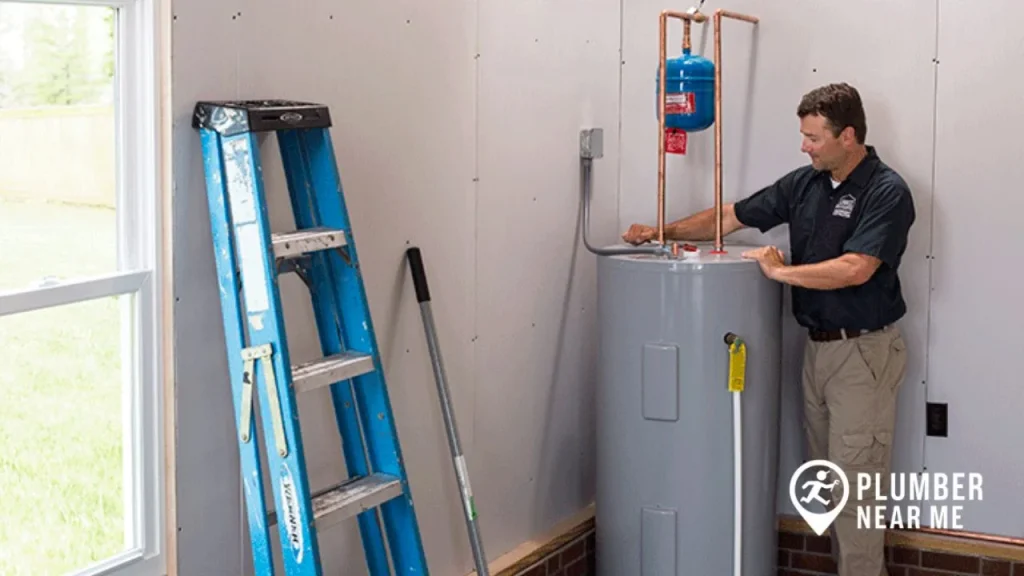
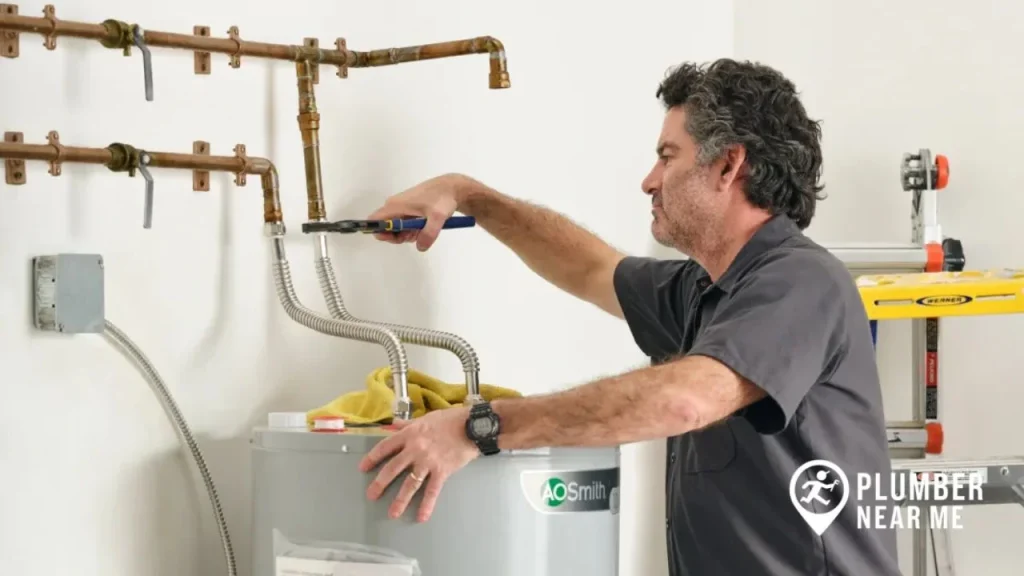
5. Position the New Water Heater
- Place the new tank on a level surface.
- Use shims if needed to stabilize.
6. Reconnect Plumbing
- Attach hot and cold water lines. Use plumber’s tape or fittings as required.
- Install a new pressure relief valve if one isn’t included.
7. Restore Gas/Electric Connections
- For gas: connect the gas line, check joints with soapy water for leaks.
- For electric: connect wiring according to the manufacturer’s instructions.
8. Fill and Test
- Open the water supply and let the tank fill completely before powering on.
- Once full, restore power or gas.
- Set thermostat to around 120°F for efficiency and safety.
Choosing the Right Replacement Water Heater
When replacing a water heater, think beyond just swapping the old one:
- Size & Capacity: Match the tank to your household demand (e.g., 40–50 gallons for families).
- Fuel Type: Gas is common, but electric, hybrid, and tankless options are available.
- Energy Efficiency: Look for Energy Star models to save money long-term.
- Recovery Rate: Measures how quickly the unit reheats water.
DIY vs Hiring a Professional
- DIY Replacement may be possible for those with plumbing experience, especially with electric models.
- Hire a Pro if:
- You’re dealing with gas connections.
- Permits or inspections are required in your area.
- You’re switching fuel types or upgrading to tankless.
Hiring a plumber ensures the job meets code and protects warranties.
👉 For safe installation and professional guidance, contact Plumber Near Me.
FAQs About Replacing a Water Heater
1. How long does it take to replace a hot water heater?
Usually 3–5 hours depending on the complexity, type, and whether modifications are needed.
2. Can I replace a water heater myself?
Yes, if you’re comfortable with plumbing and electrical work. But gas heaters should always be handled by licensed professionals for safety.
3. How much does it cost to change a water heater?
Typical cost: $800–$3,000, depending on tank size, fuel type, and installation fees.
4. What size water heater do I need?
- 30–40 gallons: 1–2 people
- 40–50 gallons: 3–4 people
- 50+ gallons: 5+ people
Households with high water usage may need larger or tankless models.
5. How can I extend the life of my new water heater?
- Flush the tank yearly to remove sediment.
- Inspect the anode rod every 3–5 years.
- Keep thermostat at 120°F.
- Schedule regular professional check-ups.