If you live in an older home, chances are you’ve heard about a house trap (also called a whole house trap or main trap). This critical part of your house trap plumbing system helps block dangerous sewer gases from entering your home. However, over time these traps can corrode, clog, or fail—leading to odors, backups, and costly repairs. You May Also Like: Anti Scald Valve.
This guide explains what a house trap is, why it matters, and how to replace one safely.
👉 Need expert help right away? Visit Plumber Near Me to connect with trusted plumbing professionals in your area.
What Is a House Trap?
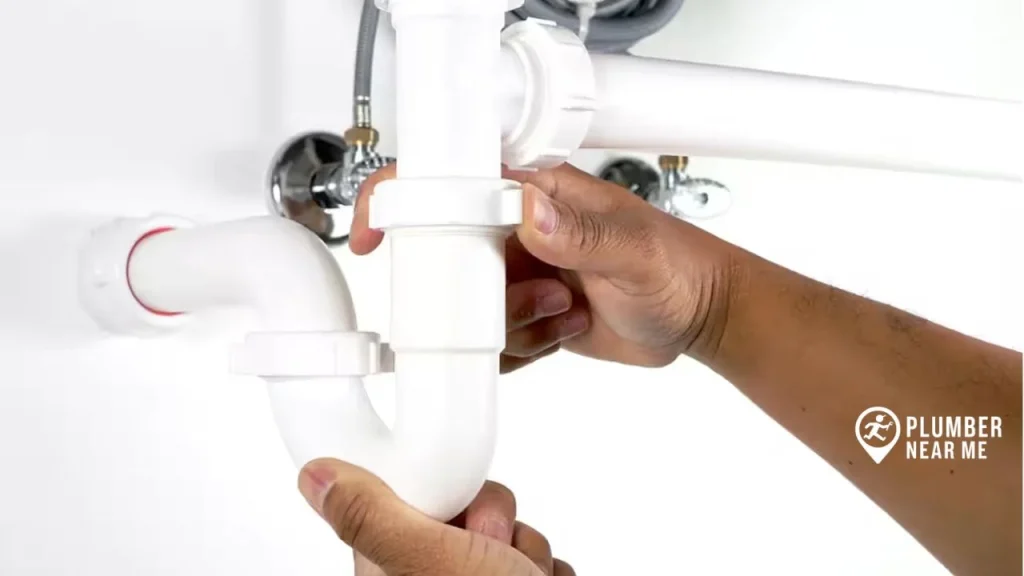
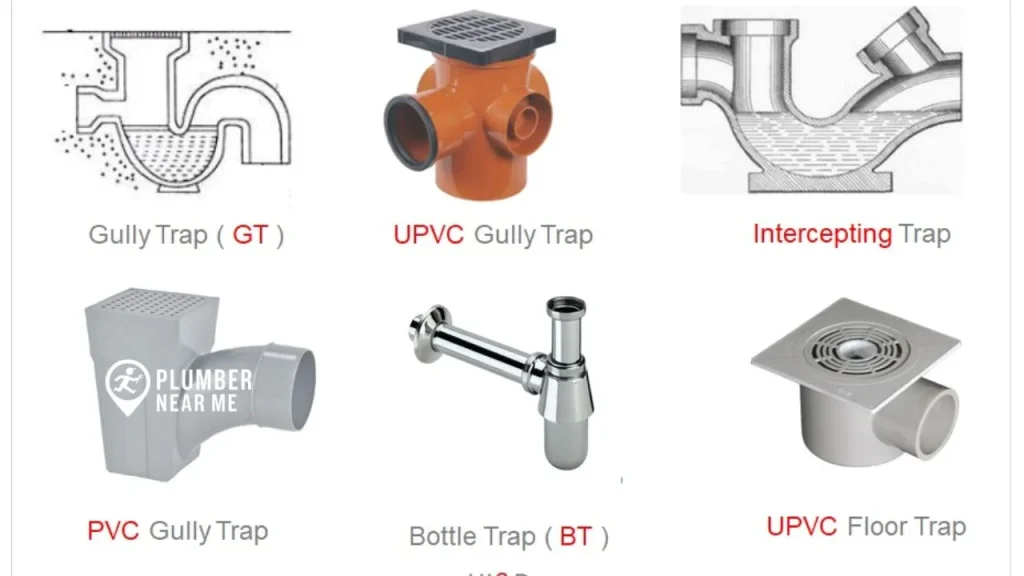
A house trap is a U-shaped section of pipe installed where the main sewer line exits your house. Like a regular sink or shower trap, it holds water to create a seal. This water barrier prevents toxic sewer gases from traveling back into your home.
House traps were commonly used in older plumbing systems but are less common in modern homes because of improved venting methods. Still, if your home has one, keeping it in good condition is essential.
Purpose of a Whole-House Trap
A whole house trap serves several important functions:
- Prevents sewer gases and foul odors from entering your home.
- Acts as a clean-out access point for the main sewer line.
- Provides a safeguard against minor backflow problems.
Signs Your House Trap Needs Replacement
You may need to replace your house trap plumbing if you notice:
- Persistent sewer odors in or around the basement.
- Slow draining across multiple fixtures.
- Gurgling sounds in drains.
- Frequent sewer line backups.
- Visible corrosion or cracks in the trap.
Ignoring these signs can lead to serious plumbing issues, so early action is key.
Tools and Materials You’ll Need
Before starting the replacement, gather the following:
- Pipe cutter or soil-pipe cutter
- Sledgehammer and ball-peen hammer
- Cold chisel
- Tape measure
- Torque wrench
- Cast-iron or PVC replacement pipe
- No-hub couplings and stainless steel clamps
- Clean-out fitting
- Safety gloves and goggles
How to Replace a House Trap (Step by Step)
Replacing a house trap plumbing system is a challenging task that requires precision. Here’s the general process:
1. Prepare the Area
Turn off water supply if necessary, clear the workspace, and put on safety gear.
2. Cut the Old Trap
Wrap the soil-pipe cutter chain around the old cast-iron trap. Tighten and ratchet until the pipe is cut. Use a hammer and chisel to remove stubborn sections.
3. Remove the Trap
Break loose both ends and carefully discard the old trap. Dispose of materials according to local regulations.
4. Clean the Connections
Scrape away old lead, oakum, or corrosion from the adjoining pipes using a chisel and wire brush.
5. Install New Fittings
Attach a new clean-out fitting and angled connector using no-hub couplings. Tighten with a torque wrench for a secure seal.
6. Measure and Cut New Pipe
Measure carefully and cut replacement pipe sections to fit between the existing sewer main and the new fittings.
7. Assemble the New Trap
Connect the new trap in place with couplings. Ensure everything is aligned and level.
8. Test the System
Run water through the line and check for leaks. Make sure no sewer odors are escaping from the system.
Safety and Local Regulations
- Safety First: Always wear gloves, goggles, and a mask when cutting cast iron. Work in a well-ventilated space.
- Code Compliance: Some regions no longer allow house traps. Check local plumbing codes before replacing one.
- Professional Help: If you’re uncomfortable with heavy pipes or lack special tools, call a licensed plumber.
FAQs About House Traps
What is a house trap in plumbing?
A house trap is a U-shaped pipe installed on the main sewer line that holds water to block sewer gases from entering your home.
Do all homes have a house trap?
No. Older homes often have them, but newer houses use modern venting systems instead.
How do I know if my house trap is bad?
Signs include sewer odors, multiple slow drains, and recurring backups. A plumber can confirm with a camera inspection.
Can I replace a house trap myself?
It’s possible for skilled DIYers, but it requires heavy tools, precise measuring, and compliance with building codes. Most homeowners hire a professional.
How much does it cost to replace a house trap?
On average, replacing a whole house trap costs $100–$500 in parts if DIY, but $1,000+ when hiring a plumber depending on pipe material and complexity.
Conclusion
A house trap is an important safeguard in older plumbing systems. While it helps block sewer gases, it can also be a source of problems if it corrodes or clogs. Knowing what a house trap is and how to replace it ensures your home stays safe and odor-free.
👉 For expert installation or replacement, contact Plumber Near Me and get reliable plumbing solutions today.