A leaky pipe joint or poorly sealed connection can cause costly water damage and unnecessary frustration. That’s where plumbing sealant comes in—it’s the hidden hero that ensures your plumbing connections remain watertight, durable, and long-lasting. You May Also Like: Kitchen Sink Drain Repair.
👉 Looking for expert plumbing repair and reliable sealant application? Visit Plumber Near Me and connect with trusted local professionals.
What is Plumbing Sealant?
Plumbing sealant is a substance applied to threaded joints or pipe connections to prevent leaks and enhance durability. Unlike regular glue, sealants are designed to withstand water pressure, temperature changes, and vibration in plumbing systems.
Whether you’re fixing a kitchen sink drain, replacing a water heater line, or sealing PVC and metal pipes, using the right sealant is critical.
Types of Plumbing Sealants
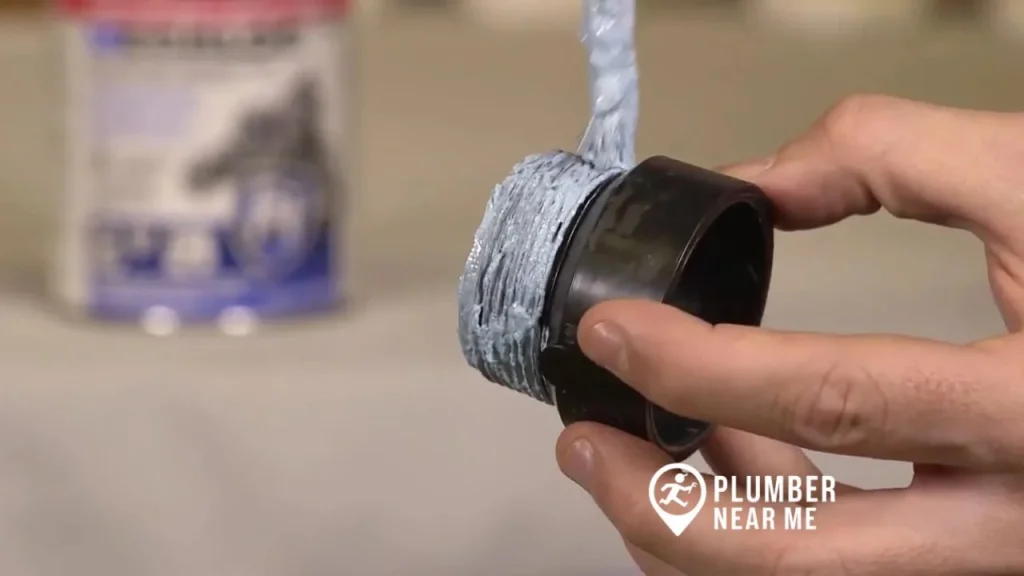
1. Plumbing Thread Sealant (Pipe Dope)
- A paste-like material applied to male threads.
- Creates a watertight, flexible seal.
- Ideal for metal fittings and high-pressure water lines.
- Remains slightly soft, making it resistant to vibration and temperature changes.
2. Teflon Tape (Thread Seal Tape)
- Thin PTFE tape wrapped around threads before tightening.
- Great for plastic and metal pipes.
- Easy to use, inexpensive, and removable.
- Provides some lubrication, making connections easier to tighten and loosen.
3. Water Pipe Sealant (Anaerobic Sealant)
- Liquid sealants that cure without air.
- Extremely strong and ideal for high-pressure applications.
- Works best on metal-to-metal joints.
- Creates a semi-permanent bond that is harder to disassemble.
4. Plumbing Wicking String
- Traditional method using string-like fibers.
- Expands when wet, filling tiny gaps in threaded joints.
- Often used along with pipe dope for extra leak protection.
- Especially useful for older or worn-out fittings.

How to Apply Plumbing Sealant Correctly
1 Step: Prepare the Threads
- Clean the threads thoroughly with a cloth.
- Remove any dirt, grease, or old sealant.
2 Step: Choose the Right Sealant
- Teflon tape → Best for PVC and plastic pipes.
- Pipe dope → Best for metal threads.
- Anaerobic sealant → Best for high-pressure water systems.
- Wicking string → For tricky or older joints.
3 Step: Apply the Sealant
- Wrap tape clockwise around male threads (2–3 layers).
- For pipe dope, spread a thin, even coat using a brush.
- Add wicking string into the threads before sealing with dope.
4 Step: Assemble the Connection
- Tighten the fitting securely, but avoid overtightening.
- Test for leaks by running water through the pipe.
Common Mistakes to Avoid with Plumbing Sealant
- ❌ Applying sealant on female threads (only apply to male threads).
- ❌ Using too much sealant, which prevents proper tightening.
- ❌ Mixing incompatible sealants.
- ❌ Forgetting to clean threads before sealing.
- ❌ Overtightening, which can crack PVC fittings.
FAQs
What is the best plumbing sealant for metal pipes?
Pipe dope (thread sealant) works best for metal pipes because it creates a flexible, watertight seal.
Can I use Teflon tape and pipe dope together?
Yes, combining Teflon tape with pipe dope provides extra leak protection, especially in high-pressure systems.
Is plumbing wicking string still used today?
Yes, plumbers still use wicking string along with pipe dope for old fittings or when extra sealing strength is needed.
Can I use water pipe sealant on PVC pipes?
No, anaerobic water pipe sealants are designed for metal-to-metal joints, not plastic. For PVC, use Teflon tape or PVC cement.
How do I know if my plumbing sealant failed?
If you see leaks, drips, or slow seepage around the joint, it may be due to improper application or the wrong sealant type.
Final Thoughts
The right plumbing sealant can mean the difference between a dry, reliable plumbing system and a frustrating series of leaks. Whether you’re using plumbing thread sealant, water pipe sealant, or plumbing wicking string, always match the product to your pipe material and pressure needs.
👉 Need professional help sealing water pipes or fixing leaks? Visit Plumber Near Me for expert plumbing services near you.