When it comes to reliable and long-lasting copper plumbing, few materials can match the strength and performance of copper pipes. Known for their durability, resistance to corrosion, and ability to handle both hot and cold water, copper has been the gold standard in plumbing for decades. You May Also Like: Fix a Noisy PVC Vent Pipe.
Whether you’re a homeowner planning a renovation or a DIY enthusiast wanting to learn the different types of copper pipe, this guide covers everything you need to know — from grades and sizes to fittings, installation methods, and long-term care.
👉 Need professional installation or repair for your copper pipes? Visit Plumber Near Me to connect with trusted local experts.
Types of Copper Pipe
There are several types of copper pipe, each designed for specific plumbing needs. Choosing the right one ensures efficiency, safety, and longevity.
1. Rigid Copper Pipes
- Sold in straight lengths (usually 10–20 feet).
- Best for long, straight runs.
- Offers precise angles when combined with fittings.
2. Flexible Copper Pipes
- Available in coils.
- Ideal for navigating around obstacles without extra joints.
- Common in tight spaces or areas that require slight bends.
Grades of Copper Pipe
Copper pipes are also classified by wall thickness, which affects their strength and applications:
- Type K – Thickest walls, mostly used in underground or industrial settings.
- Type L – Durable and versatile, widely used in copper plumbing for residential water supply.
- Type M – Thinner walls, cost-effective, common for heating and low-pressure systems.
Among these, Type L copper pipe is the most common choice for households due to its balance of strength and affordability.
Copper Pipe Sizes
Standard copper pipe sizes include:
- ½ inch
- ¾ inch
- 1 inch
- 1 ¼ inch
- 1 ½ inch
- 2 inches
👉 In most homes, ½ inch and ¾ inch pipes are used for water supply lines, while larger sizes are seen in commercial or high-demand systems.
Copper Pipe Fittings
To make any plumbing system functional, fittings are essential. Common options include:
- Elbows (45° & 90°) – Change direction of flow.
- Couplings – Join pipes of the same or different diameters.
- T-fittings (Tees) – Create branches in pipe runs.
- Adapters (Male & Female) – Transition between copper and threaded connections.
These fittings make it possible to build complex and efficient plumbing layouts with copper.
How Copper Pipes Are Installed
There are several methods for connecting copper pipes:
- Soldering (Sweating) – Traditional method using flux, heat, and solder for a permanent, watertight joint.
- Push-to-Connect Fittings – A modern, tool-free solution for quick repairs or tight spaces.
- Compression Fittings – Handy for appliances and fixtures, as they can be disassembled for maintenance.
Advantages of Copper Pipes
- Long-lasting (50+ years if maintained well).
- Resistant to corrosion and bacteria growth.
- Handles high heat and pressure.
- Environmentally friendly and recyclable.
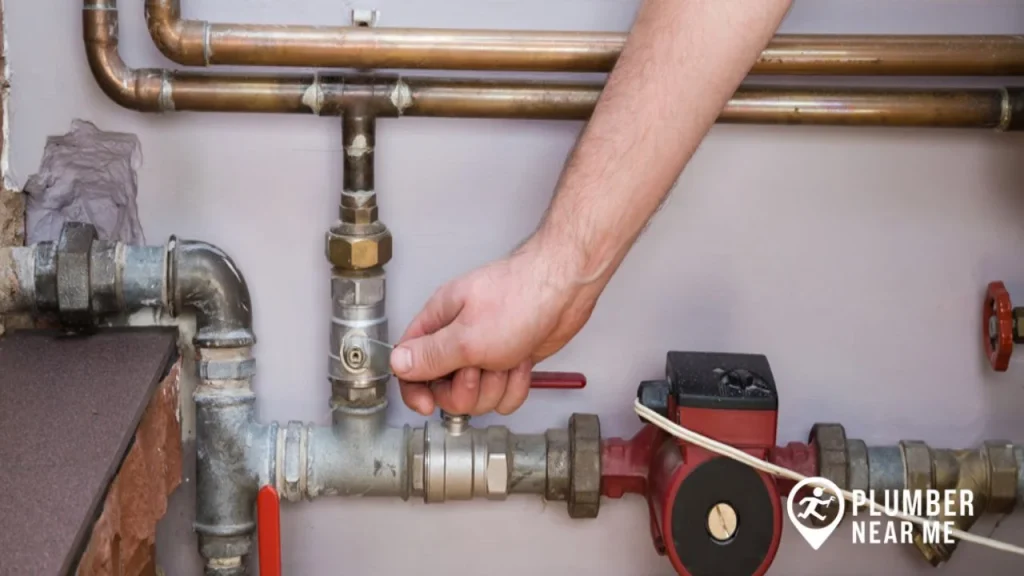
Disadvantages of Copper Pipes
- Higher upfront cost compared to PVC or PEX.
- Vulnerable to freezing and bursting in extremely cold climates.
- May develop pinhole leaks in areas with highly acidic or hard water.
Maintaining Copper Pipes
Regular upkeep extends the lifespan of your copper plumbing system:
- Inspect for leaks – Catch problems early before they escalate.
- Insulate exposed pipes – Prevents freezing in cold weather.
- Use water treatment – Softening hard or acidic water reduces corrosion risks.
- Provide proper support – Prevents sagging and strain on joints.
FAQs About Copper Pipes
Q1: What are the different types of copper pipe for home use?
Most homes use Type L and Type M copper pipes, while Type K is usually for industrial or underground applications.
Q2: Are copper pipes better than PEX or PVC?
Copper is more durable and heat-resistant but comes at a higher cost. PEX and PVC are cheaper but may not last as long.
Q3: How long do copper plumbing systems last?
Typically 50+ years, depending on water quality and installation.
Q4: Can I repair copper pipes myself?
Yes, with soldering or push-to-connect fittings, but professional help is recommended for large repairs.
Q5: Do copper pipes corrode?
They resist rust, but in aggressive water conditions, pinhole leaks may appear over time.
Final Thoughts
Copper pipes remain one of the most trusted materials in plumbing. With various grades, sizes, and fittings available, they can be adapted for nearly any household or commercial need. While alternatives exist, the reliability and longevity of copper plumbing make it a worthwhile investment.
👉 If you’re planning to install or repair copper pipes, check out Plumber Near Me for expert services in your area.