Few things are more frustrating in the kitchen than opening your dishwasher and seeing dirty water sitting at the bottom. A dishwasher that won’t drain not only leaves dishes unclean but can also create unpleasant odors and even water damage if left unresolved.
In this guide, we’ll explain the most common causes of dishwasher drain problems, how to troubleshoot them, and when it’s time to call in a professional. You May Also Like: Septic Tank Installation: Costs Guide.
👉 Looking for fast, reliable plumbing help? Visit Plumber Near Me to connect with trusted local experts who can repair or replace your dishwasher drain system.
Common Reasons a Dishwasher Won’t Drain
Before you grab your toolbox, it’s important to know what could be causing the issue. Some of the most frequent reasons include:
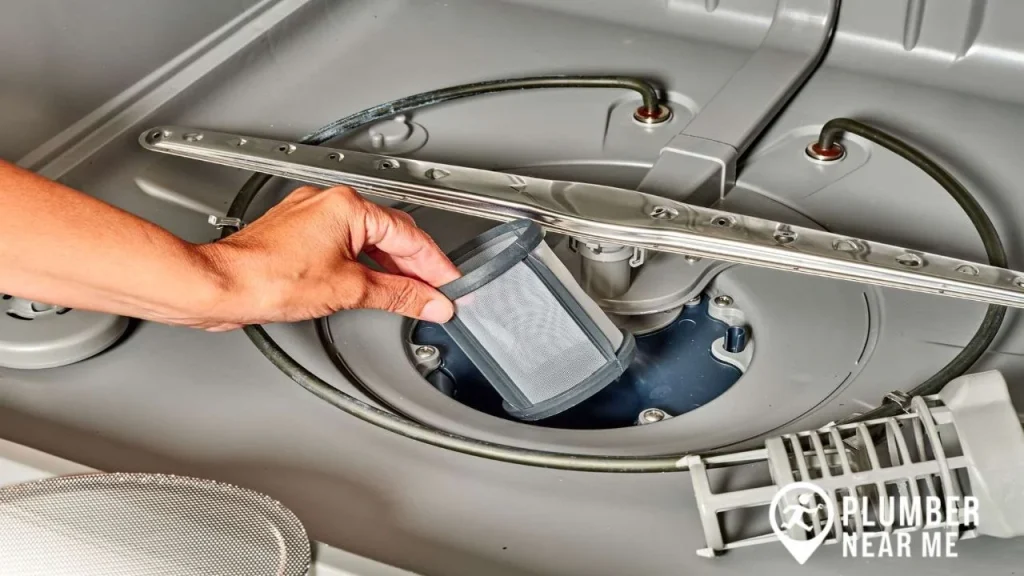
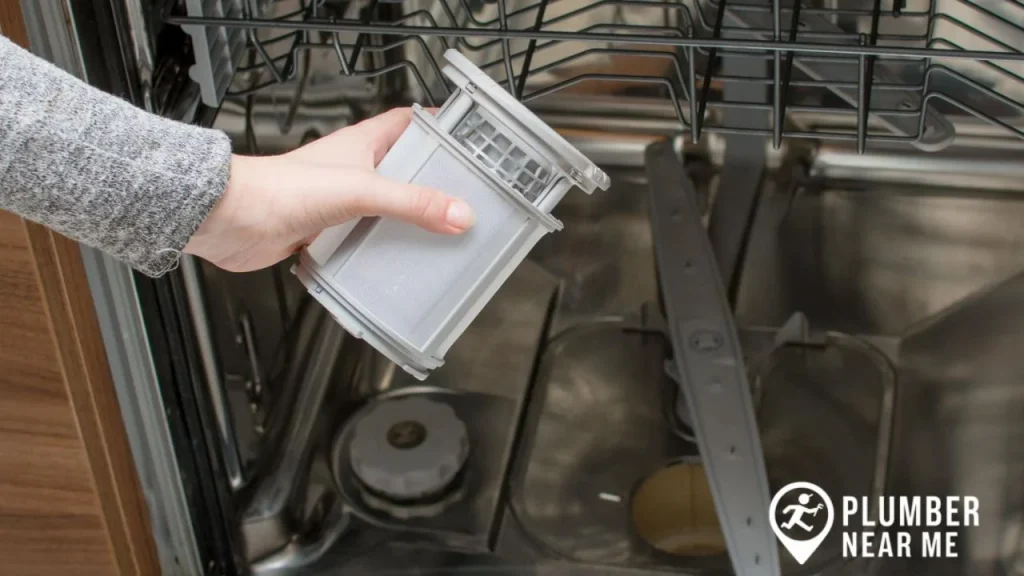
- Clogged filter – Over time, food scraps and grease can clog the dishwasher’s filter, preventing water from draining properly.
- Blocked drain hose – The hose that connects your dishwasher to the sink or garbage disposal can become kinked or clogged.
- Garbage disposal blockage – If your dishwasher drains through your disposal, a clog there could cause backup.
- Faulty drain pump – The pump pushes water out of the dishwasher. If it’s broken, water may sit inside.
- Check valve issues – This small valve stops water from flowing back into the dishwasher. If stuck, it can keep water inside.
- Improper installation – A poorly installed drain hose or air gap can also lead to drainage problems.
Step-by-Step Guide: How to Fix Dishwasher Not Draining
If your dishwasher won’t drain, here are DIY steps you can try before calling a plumber.
1. Clean the Dishwasher Filter
- Remove the bottom rack.
- Take out the filter at the base (twist or pull, depending on the model).
- Rinse under warm water and scrub with a soft brush.
- Replace securely before running another cycle.
2. Check the Drain Hose
- Move your dishwasher slightly away from the wall.
- Inspect the hose for kinks, bends, or damage.
- Disconnect it carefully and flush water through to clear any blockages.
3. Clear the Garbage Disposal
- Run your disposal to make sure it’s not clogged.
- If necessary, remove debris with pliers (never your hand).
- Reset the disposal if it has tripped.
4. Try a Vinegar + Baking Soda Flush
- Pour 1 cup baking soda and 1 cup vinegar into the bottom of the dishwasher.
- Let sit for 15–20 minutes.
- Run a hot water cycle to break down grease and debris.
5. Inspect the Drain Pump and Check Valve
- If you hear humming but no draining, the pump may be jammed.
- Disconnect power and water before inspecting.
- A stuck or faulty check valve should be cleaned or replaced.
⚠️ If you’re not comfortable handling electrical or pump repairs, it’s best to call a professional plumber.
Preventing Future Dishwasher Drain Problems
To avoid asking yourself “why is my dishwasher not draining” again, follow these maintenance tips:
- Clean your filter once a month.
- Scrape large food particles before loading dishes.
- Run hot water in your sink before starting the dishwasher.
- Check the drain hose annually for cracks or clogs.
- Use dishwasher-safe cleaning tablets to keep pipes clear.
When to Call a Professional
DIY solutions fix many drainage problems, but some require expert help. Call a plumber if:
- Standing water remains after multiple DIY attempts.
- You suspect electrical or pump failure.
- Water is leaking from under the dishwasher.
- There’s a persistent foul odor even after cleaning.
A licensed plumber can quickly identify the root cause and restore your dishwasher’s function, saving you time and preventing costly water damage.
👉 Need expert help fast? Plumber Near Me connects you with trusted local plumbers who can diagnose and fix your dishwasher drain issues quickly.
FAQs About Dishwasher Drain Problems
1. Why is my dishwasher not draining?
The most common reasons are a clogged filter, blocked drain hose, garbage disposal backup, or a faulty drain pump.
2. How do I know if my drain hose is clogged?
If you notice gurgling sounds, slow drainage, or water backing up into the sink, your hose may be clogged.
3. How often should I clean my dishwasher filter?
For average households, once a month is ideal. Heavy users may need to clean it every 1–2 weeks.
4. Can I use Drano or chemical cleaners in my dishwasher?
No. Harsh chemicals can damage seals and hoses. Stick to vinegar, baking soda, or professional cleaning products.
5. How much does it cost to repair a dishwasher that won’t drain?
Minor fixes like cleaning filters are free. Professional repairs may range from $150–$400 depending on parts and labor.
Conclusion
A dishwasher drain problem can be stressful, but in many cases, it’s a simple fix. Start by checking your filter, hose, and disposal before moving on to more complex components like the drain pump. Regular maintenance can prevent most issues and extend your dishwasher’s lifespan.
If DIY troubleshooting doesn’t work, don’t hesitate to call a professional. With the right help, you’ll have your dishwasher draining smoothly again in no time.
👉 Ready to solve your drainage issue? Get expert help today at Plumber Near Me.