When it comes to building or upgrading a plumbing system, choosing the right pipes is one of the most important decisions. The durability, efficiency, and cost of your home’s water system all depend on the plumbing material you select. Each type of pipe has unique strengths and weaknesses, making some better suited for supply lines while others work best for drainage or high-pressure systems. You May Also Like:Water Heater Replacement Cost 50-Gallon.
In this guide, we’ll cover The Five Types of Plumbing Pipes—PVC, PEX, ABS, Copper, and Cast Iron/Galvanized Steel—so you can understand which option is the best fit for your project.
1. PVC Pipes
Polyvinyl chloride (PVC) is one of the most common plumbing pipes used today. It’s lightweight, affordable, and resistant to clogs thanks to its smooth inner surface. PVC is typically used in drain, waste, and vent systems, but it can also serve as a main water supply line in some homes.
Pros:
- Low cost and easy to install
- Resistant to blockages and sediment buildup
- Can handle high water pressure
Cons:
- Can warp under hot water
- May leach chemicals into drinking water over time
- Limited size options
2. PEX Pipes
Cross-linked polyethylene (PEX) has become very popular in modern plumbing. It’s flexible, affordable, and can carry both hot and cold water. Because it bends easily, PEX is perfect for tight corners and long runs without many fittings.
Pros:
- Easy installation with crimp fittings (no soldering needed)
- Works well for hot and cold water lines
- Flexible enough for tight spaces
Cons:
- Not suitable for outdoor use (UV damage)
- Can weaken after freezing stress
- Restricted in some states due to safety concerns
3. ABS Pipes
Acrylonitrile butadiene styrene (ABS) is a black-colored pipe often used in drain, waste, and vent systems. It’s more rigid than PVC but performs better in cold environments, making it suitable for basements or outdoor drainage.
Pros:
- Long lifespan and durable in low temperatures
- Quicker installation than PVC (no primer needed)
- Reliable for waste and vent lines
Cons:
- Becomes brittle under UV exposure
- Doesn’t reduce water noise as effectively as PVC
- Can crack in extreme temperatures
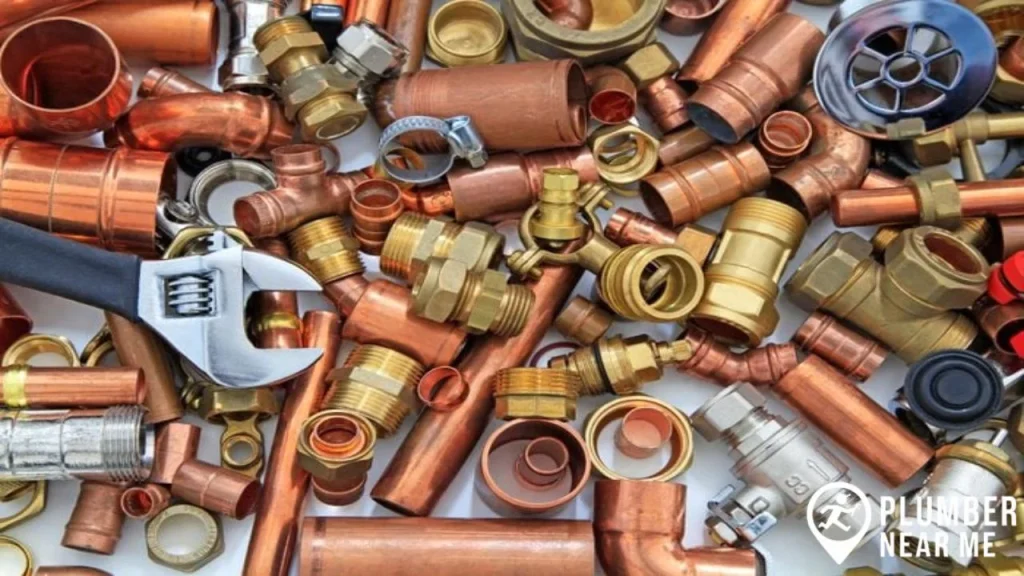
4. Copper Pipes
Copper is one of the oldest and most trusted plumbing materials. Known for its durability, it can last more than 50 years and resists corrosion. Copper pipes are commonly used for water supply lines and can withstand high pressure and extreme heat.
Pros:
- Extremely durable (50+ years lifespan)
- Corrosion-resistant
- 100% recyclable
Cons:
- More expensive than plastic options
- Less flexible, harder to install in tight spaces
5. Cast Iron and Galvanized Steel Pipes
Older homes often feature cast iron or galvanized steel pipes. These materials are known for strength and their ability to handle high-pressure water flow. Cast iron is especially durable in high-temperature systems but is much heavier than modern alternatives.
Pros:
- Strong and long-lasting
- Can handle high-pressure and boiling water
- Still used in some municipal systems
Cons:
- Heavy and difficult to replace
- Prone to rust and corrosion over time
- Costly installation and repairs
Factors to Consider When Choosing Plumbing Pipes
Before deciding on a pipe material, keep these key factors in mind:
- Application: Supply lines, drainage, or venting all require different types of plumbing pipes.
- Cost: PVC and PEX are budget-friendly, while copper and cast iron are more expensive but longer-lasting.
- Durability: Copper and cast iron last decades, while PEX and ABS are better for flexibility and quick installation.
- Environmental Impact: Copper is recyclable, while plastics like PVC are less eco-friendly.
- Local Codes: Always check building regulations, as some areas restrict the use of certain materials like PEX or ABS.
FAQs About Plumbing Pipes
Q1: What are the five types of plumbing pipes?
The five most common types are PVC, PEX, ABS, Copper, and Cast Iron/Galvanized Steel.
Q2: How often should plumbing pipes be replaced?
Depending on the material, pipes can last from 20 years (PEX, ABS) to 50+ years (Copper, Cast Iron).
Q3: Why do plumbing pipes vibrate?
This is often caused by high water pressure, loose fittings, or water hammer. Installing pressure regulators or securing pipes can help.
Q4: Which pipe is best for drinking water?
Copper is the most reliable for drinking water, though PEX and PVC are also approved in many regions.
👉 Looking for professional guidance on choosing the right plumbing pipes? Visit Plumber Near Me to connect with trusted plumbers and get expert advice tailored to your home.