Heating issues can be frustrating, especially when some rooms in your home feel warm while others remain chilly. One of the most common causes of uneven heating is trapped air in your radiators. Luckily, there’s an easy fix: bleeding your radiators. You May Also Like: How to Clean a Toilet Tank.
👉 Looking for professional help with your heating system? Visit Plumber Near Me to connect with trusted plumbing and heating experts.
What Does Bleeding a Radiator Mean?
Bleeding a radiator simply means releasing the trapped air inside your heating system. Over time, small air pockets can form, preventing hot water from fully circulating. When this happens, the top of the radiator often feels cold while the bottom remains warm. By learning how to bleed a radiator, you can restore proper heat distribution and make your system more energy-efficient.
Why Do Radiators Need Bleeding?
Radiators collect air for several reasons:
- Heating and cooling cycles – As water heats and cools, gases can form and rise into the system.
- Leaks or maintenance work – Tiny leaks or recent repairs can allow air to enter.
- System age – Older systems tend to collect more air pockets.
If left unchecked, trapped air leads to:
- Cold spots
- Reduced heating efficiency
- Strange gurgling noises
- Higher energy bills
Signs That Your Radiator Needs Bleeding
Not sure whether your radiator needs bleeding? Look out for these signs:
- Radiator cold at the top, warm at the bottom
- Gurgling or bubbling sounds
- Radiators taking too long to heat up
- Uneven heating throughout your home
Tools You’ll Need for Bleeding Radiators
Before starting, gather the following items:
- Radiator key (or flat-head screwdriver, depending on valve type)
- Small bowl or towel to catch drips
- Protective gloves (to avoid hot water burns)
- Flashlight (optional for visibility)
Safety First: Preparing to Bleed Your Radiator
Before you begin, follow these steps:
- Turn off the heating system – This prevents more air from entering.
- Let radiators cool down – Hot water can be dangerous if released suddenly.
- Protect your floors – Place towels or a container under the valve.
Step-by-Step Guide: How to Bleed a Radiator
Now let’s go through the process:
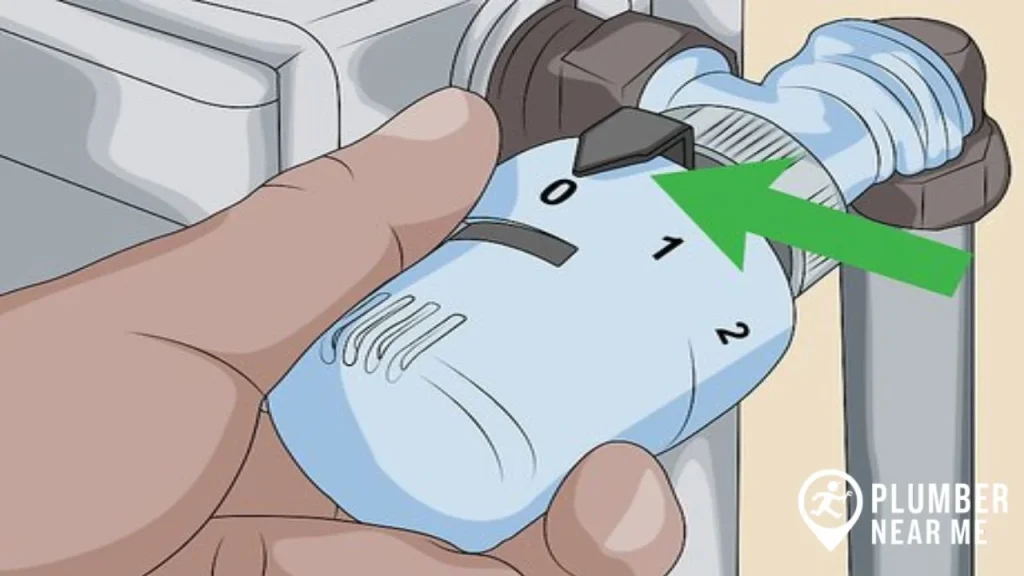
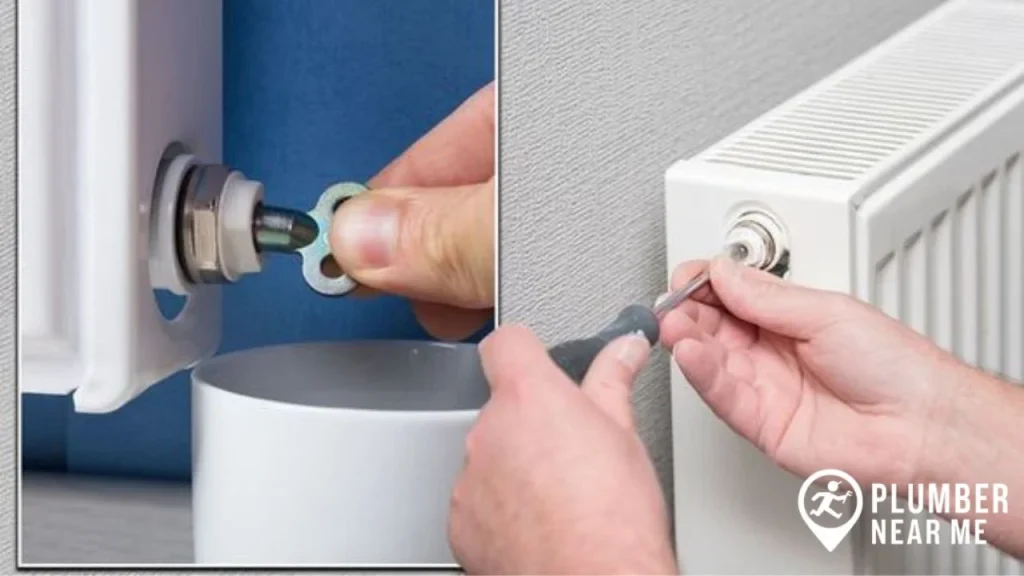
1. Locate the Bleed Valve
Usually found at the top corner of the radiator.
2. Insert the Radiator Key
Fit the key (or screwdriver) into the valve.
3. Open the Valve Slowly
Turn counterclockwise until you hear a hissing sound – this is trapped air escaping.
4. Wait for Water
As soon as water begins to flow steadily, the air has been released.
5. Close the Valve
Turn the key clockwise until it’s tightly closed.
6. Repeat on All Radiators
Start with the radiator farthest from the boiler and work your way back.
Troubleshooting Common Problems
- Valve won’t open – Apply penetrating oil or call a professional.
- Continuous water flow – The valve may be faulty and require replacement.
- Still not heating – Sludge buildup could be the issue; this requires flushing by a plumber.
How Often Should You Bleed Radiators?
Most experts recommend bleeding radiators once a year, ideally before winter. However, if you notice cold spots or strange noises, you may need to bleed them more often.
Preventing Air Buildup in Radiators
- Have your system checked regularly by a heating engineer.
- Maintain proper boiler pressure.
- Consider installing an automatic air vent to reduce manual bleeding.
Frequently Asked Questions
1. How often should I bleed my radiators?
At least once a year, preferably before the heating season.
2. Can I bleed a radiator while the heating is on?
No. Always turn the system off first to avoid burns and safety risks.
3. What if my radiator is still cold after bleeding?
It may have sludge buildup or a faulty valve. Call a professional for further inspection.
4. Do all radiators need bleeding?
Older systems almost always do. Some modern systems have automatic air vents that reduce or eliminate manual bleeding.
Final Thoughts
Learning how to bleed a radiator is a simple but essential home maintenance task. With just a radiator key and a few minutes of your time, you can improve heating efficiency, lower energy costs, and keep your home comfortable.
👉 Still dealing with heating issues? Visit Plumber Near Me to book expert radiator and boiler services.