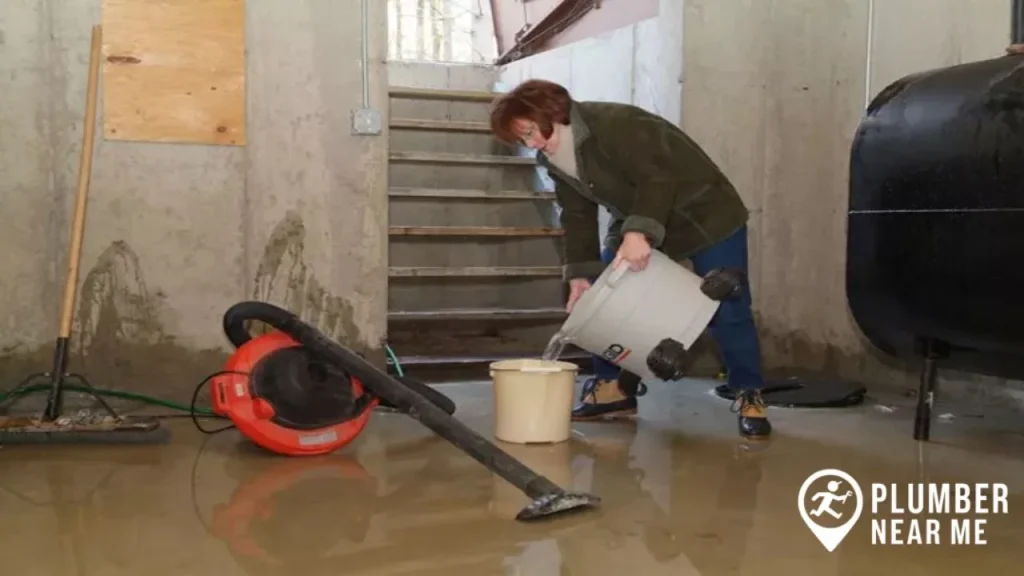
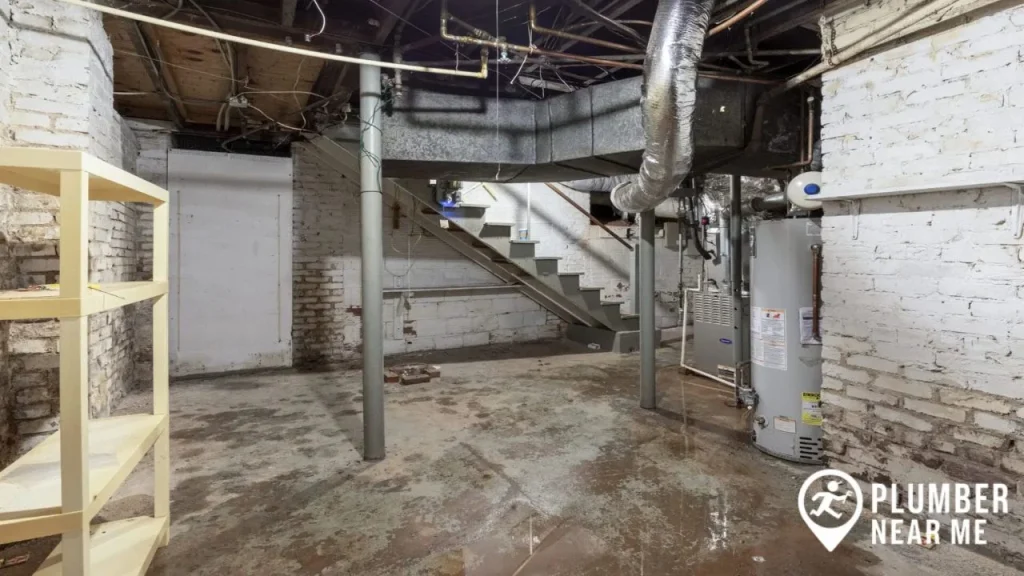
A damp basement is one of the most frustrating problems for homeowners. Not only can excess moisture in basement areas create musty odors, but it can also lead to mold growth, damage to flooring and walls, and even long-term structural issues. If you’ve noticed water stains, condensation, or a damp basement floor, it’s important to take action before the problem gets worse. You May Also Like: Garbage Disposal Maintenance.
In this guide, we’ll explain the common causes of damp basements, explore practical damp basement solutions, and share expert tips on how to keep your basement dry and livable for years to come.
👉 Looking for quick, professional waterproofing? Visit Plumber Near Me for reliable basement moisture solutions.
Why Basements Become Damp
Basements are naturally more prone to moisture issues because they sit below ground level, where water pressure and soil conditions affect the foundation. Some of the most common causes include:
- Poor drainage outside the home – rainwater and melted snow that pools near the foundation.
- Leaky gutters or downspouts – allowing water to flow toward, instead of away from, your house.
- Foundation cracks – small openings in basement walls or floors that let groundwater seep inside.
- Condensation – warm air meeting cooler basement walls, leading to visible water droplets.
- High humidity levels – poorly ventilated basements often trap moisture in the air.
The Risks of Ignoring a Damp Basement
It might be tempting to ignore a little dampness, but the consequences can be serious:
- Mold and mildew growth, which can trigger allergies and respiratory issues.
- Rotting wood, damaged drywall, and peeling paint.
- Weakening of foundation walls and flooring over time.
- Reduced home value due to visible water damage.
Addressing basement moisture early is always more cost-effective than waiting for major repairs.
Effective Damp Basement Solutions
Depending on the source of moisture, different fixes may be required. Here are some of the most effective damp basement floor solutions and waterproofing strategies:
1. Improve Exterior Drainage
Keeping water away from the foundation is the first line of defense.
- Extend downspouts at least 5 feet away from the house.
- Regrade soil so it slopes away from your foundation.
- Install French drains or exterior drainage pipes to redirect water.
2. Seal Foundation Walls and Floors
For basements with cracks or seepage:
- Use hydraulic cement to patch small leaks.
- Apply waterproof coatings or epoxy sealants to basement walls.
- Add a vapor barrier (plastic sheeting) to block ground moisture.
3. Control Moisture from the Basement Floor
If dampness is seeping up from below:
- Install a floating subfloor system with built-in air circulation.
- Place vapor barriers under basement flooring materials.
- Use moisture-resistant flooring options like vinyl planks or tile.
4. Reduce Indoor Humidity
Moisture in the air can be just as harmful as water leaks.
- Run a dehumidifier to keep humidity between 30–50%.
- Add ventilation fans in laundry areas or bathrooms.
- Insulate cold water pipes to prevent condensation “sweating.”
5. Perform Regular Maintenance
Prevention is key to keeping your basement dry:
- Clean gutters at least twice a year.
- Inspect downspouts and sump pumps regularly.
- Seal any new cracks as soon as they appear.
- Monitor indoor humidity with a hygrometer.
FAQs About Damp Basements
What is the main cause of a damp basement?
Most damp basements are caused by poor drainage, foundation cracks, or high indoor humidity.
How do I fix a damp basement floor?
A combination of vapor barriers, subfloor systems, and proper drainage can stop moisture from seeping through the floor.
Can a dehumidifier fix basement moisture problems?
Dehumidifiers help control humidity but won’t solve water leaks or seepage. They should be used alongside waterproofing methods.
Is it safe to live in a house with a damp basement?
Long-term dampness can cause mold growth and structural issues, which may affect health and safety. It’s best to fix the problem quickly.
When to Call a Professional
Some basement issues, especially severe water leaks or structural damage, require professional help. A waterproofing specialist can assess your specific situation and design a comprehensive solution that may include sump pumps, drainage systems, or foundation repairs.
👉 Ready to protect your home from water damage? Contact Plumber Near Me for expert damp basement solutions.