Relocating your baseboard heating can improve room comfort and efficiency. Whether you’re remodeling a room, rearranging furniture, or upgrading your heating system, moving a baseboard heater requires careful planning, proper tools, and attention to safety. You May Also Like: How To Pump Water Out of Your Basement.
Why Move Baseboard Heaters?
Baseboard heaters should ideally be placed along exterior walls, especially under windows, to distribute heat evenly and reduce drafts. Sometimes, a heater’s location no longer aligns with your room layout, furniture placement, or renovation plans. Moving the heater can improve comfort, increase energy efficiency, and enhance the overall aesthetics of your space.
Types of Baseboard Heaters
Before relocating, identify your heater type:
- Electric Baseboard Heaters: Easy to move but require safe handling of electrical wiring.
- Hydronic (Hot Water) Baseboard Heaters: Require plumbing knowledge and handling of PEX or copper pipes.
Tip: Hydronic heaters often use PEX for baseboard heat due to its flexibility, durability, and easier installation.
Tools and Materials Needed
Materials:
- PEX tubing
- Hot water baseboard heater
- Solder and flux
- Copper fittings
- Expansion cradles
Tools:
- Drill
- Pipe cutters
- PEX expansion tool
- Torch
- Fitting brush
- Emery cloth
Step-by-Step Guide to Moving a Baseboard Heater
Step 1: Turn Off Power and Water
For safety, turn off the boiler for hydronic heaters and the electrical circuit for electric heaters. Let the system cool completely.
Step 2: Drain Water
Attach a hose to the drain valve and empty water from the system. Use a bucket for residual water from PEX or copper piping.
Step 3: Remove Heater
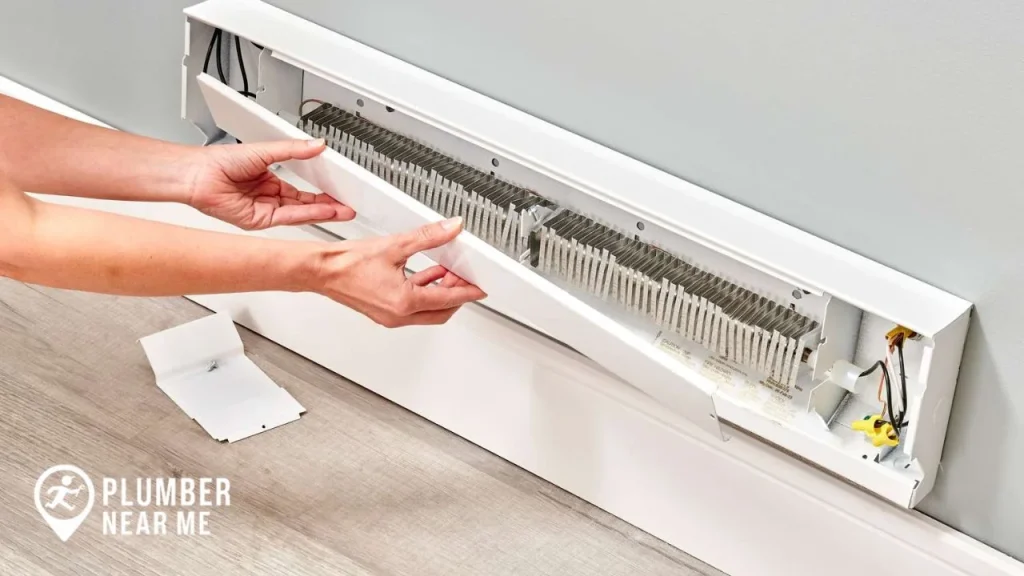
Remove the baseboard cover, fins, and any connected piping. Carefully note the old connections to simplify reinstallation.
Step 4: Measure New Location
Decide where the heater will go, ideally along an exterior wall. Remove baseboard trim if necessary.
Step 5: Drill Pipe Holes
Drill holes to route pipes back to the mechanical room.
Step 6: Install Heater
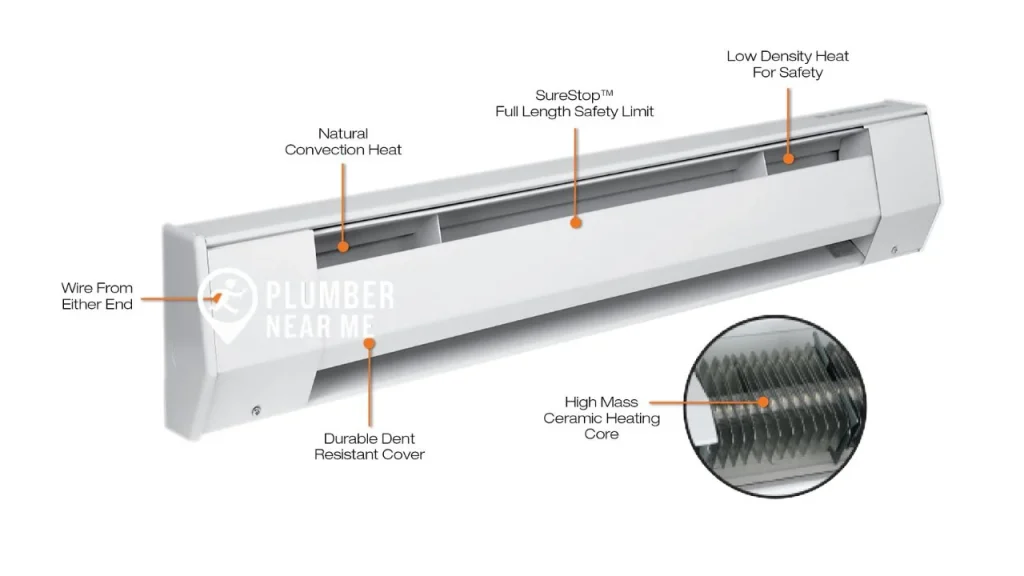
Place the baseboard heater at the new location. Insert fins into the baseboard, using expansion cradles to reduce noise.
Step 7: Connect Piping
- PEX Connections: Use an expansion ring and tool to slip PEX over fittings. Ensure a snug, leak-free connection.
- Copper Connections: Clean, flux, and solder fittings. Let connections cool completely before moving forward.
Step 8: Attach Baseboard Cover
Once the heater and pipes are secure, replace the cover for a clean, finished look.
Step 9: Turn Power and Water Back On
Restore the boiler or electricity and check for leaks or unusual noises.
Tips for Efficient Baseboard Heating
- Consider replacing short heaters with longer, high-output models for better heat distribution.
- Keep furniture away from the heater to ensure proper airflow.
- Regularly check PEX connections for leaks and maintain expansion cradles for quiet operation.
FAQs About Moving Baseboard Heating
Can you move baseboard heaters yourself?
Yes, if you have basic plumbing or electrical knowledge and follow proper safety precautions. Hydronic heaters require careful handling of PEX for baseboard heat.
Where should baseboard heaters be installed?
Along exterior walls, especially under windows, to maximize heat efficiency and reduce drafts.
Can you use PEX for baseboard heat?
Yes, PEX is flexible, durable, and easier to install compared to copper piping, making it ideal for hydronic systems.
How much does it cost to move a baseboard heater?
DIY relocation costs $150–$300, while hiring a professional may cost more depending on the complexity and materials used.
How long does it take to relocate a baseboard heater?
For a single-zone hydronic heater, 2–3 hours, including draining, cutting, and reconnecting piping.
Do I need to turn off the boiler or electricity?
Absolutely. Always shut off power for electric heaters and turn off the boiler for hydronic heaters before starting.
How can I reduce noise from baseboard heaters?
Use expansion cradles and proper pipe mounting to reduce clicking or popping as the system heats and expands.
Can I replace a short baseboard heater with a longer one?
Yes, longer heaters provide more heat output, ideal for large rooms or high ceilings.
What tools do I need for moving a hydronic heater?
Drill, pipe cutters, PEX expansion tool, torch, solder, flux, fitting brush, and emery cloth.
When should I hire a professional?
For multiple heaters, complex piping, or if unsure about handling electricity or plumbing safely.
How do I maintain a relocated baseboard heater?
Check for leaks, ensure fins are correctly installed, clean the unit regularly, and inspect PEX connections annually.
Will moving the heater improve room heat distribution?
Yes, placing heaters along exterior walls and away from obstacles improves efficiency and comfort.
Can I use the same PEX lines when moving the heater?
Usually yes, but cutting and rerouting may be necessary depending on the new location.
What safety precautions should I take?
Turn off power and water, wear gloves and safety goggles, and avoid working with hot pipes.
Does the new location affect boiler performance?
Not significantly, as long as the heater is properly connected and the system is balanced.
Conclusion
Relocating a baseboard heater requires careful planning, proper tools, and attention to safety. Whether using PEX or copper piping, following a step-by-step approach ensures your heating system works efficiently in its new location. Proper placement along exterior walls, using expansion cradles, and choosing the right length of heater can significantly improve comfort and energy efficiency.
For additional guidance, professional installation, or troubleshooting, visit Plumber Near Me to connect with local plumbing and heating experts.