Siphons might look like magic, but in reality, they are one of the simplest yet most powerful tools in plumbing and daily life. From toilets and aquariums to floodwater removal, siphons use the laws of physics to move liquid without electricity.
If you’ve ever faced plumbing issues like clogs, backups, or unwanted leaks, understanding siphons can help you troubleshoot small problems yourself. And when you need professional support, services like Plumber Near Me are always available to provide expert plumbing solutions. You May Also Like: How to Replace a Bathroom Faucet.
What Is a Siphon?
A siphon is a bent tube that moves liquid from a higher container to a lower one without pumps. It works because of gravity and atmospheric pressure.
The siphon has two parts:
- Short leg → stays in the liquid source.
- Long leg → discharges the liquid at a lower point.
Once the tube is filled (primed), the weight of liquid in the longer leg pulls more liquid up the short leg and over the bend, creating continuous flow.
The Science of Siphons
Here’s how siphons keep liquids moving:
- The outlet end must be lower than the source.
- The tube must be filled with liquid before starting.
- The peak of the siphon can’t be too high, or air breaks the vacuum.
- The tube must remain airtight.
When these conditions are met, liquid flows smoothly until the source is empty or the vacuum is broken.
Everyday Uses of Siphoning
Siphons aren’t just for science experiments; they’re used in homes, industries, and emergencies.
Household Uses
- Unclogging sinks or tubs when plungers fail.
- Draining aquariums or waterbeds.
- Transferring liquid from large containers without spilling.
Industrial Uses
- Moving chemicals in factories.
- Controlling water in hydroelectric dams.
- Draining tanks and reservoirs without machinery.
Emergency Uses
- Removing floodwater from basements.
- Transferring fuel without pumps.
- Providing water supply in power outages.
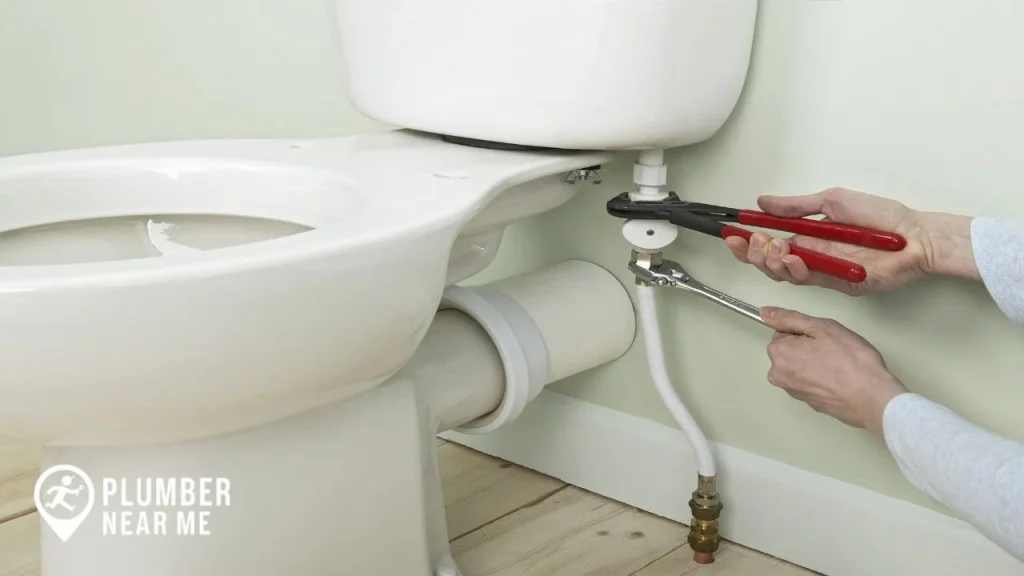
How Toilets Use Siphons
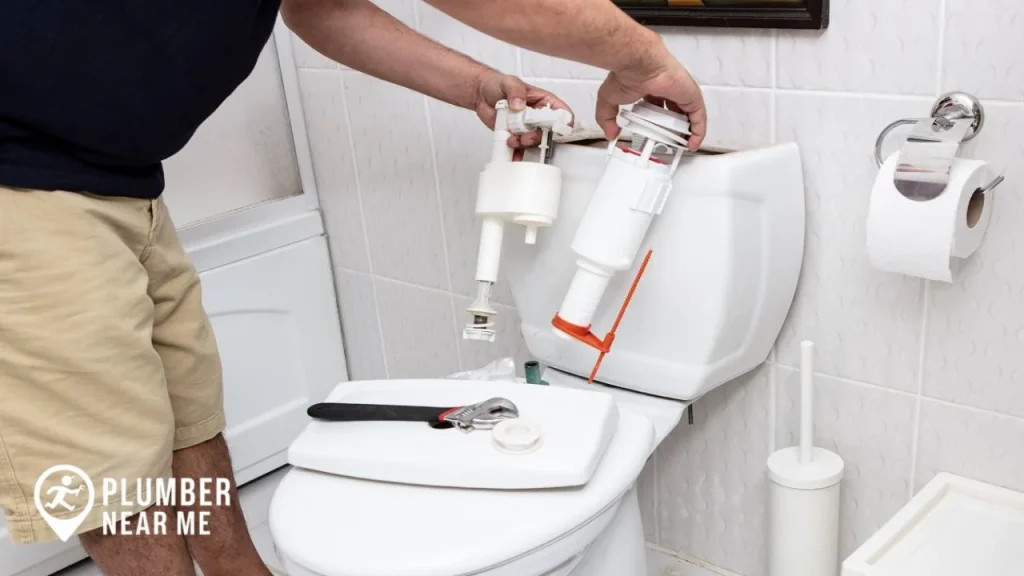
One of the most common places you’ll see a siphon is in your toilet.
Here’s how it works:
- Water rushes from the tank into the bowl.
- The siphon jet pushes water over the bend.
- Gravity pulls the rest of the bowl’s contents down the long leg.
- Once air enters, the siphon stops, ending the flush.
Benefits of Siphon Toilets
- Effective flushing without electricity.
- Simple design, fewer breakdowns.
- Reliable during outages.
Breaking a Siphon
A siphon will stop working if:
- Air enters the tube.
- The outlet rises above the source.
- The source liquid runs out.
Alternatives to Siphon Toilets
While siphons dominate American bathrooms, alternatives include:
- Pressure-assisted toilets → stronger flush, but louder.
- Gravity-fed toilets → quieter, but less powerful.
- Dual-flush toilets → eco-friendly, with two flush options.
Maintenance Tips for Siphon-Based Fixtures
To keep siphons working smoothly:
- Clean siphon jets regularly.
- Avoid flushing non-biodegradable items.
- Repair leaks quickly to maintain water levels.
FAQs About Siphons
How does a siphon work?
A siphon uses gravity and air pressure. Once primed, liquid flows from high to low without pumps.
What is siphoning used for?
Siphoning is used in toilets, aquariums, basements, and even industries like chemical manufacturing.
Can siphons fail?
Yes—if air enters the tube, if the outlet is higher than the source, or if the source liquid runs out.
Is siphoning safe for fuel?
Yes, but it must be done carefully with the right equipment to avoid spills or hazards.
Conclusion
Siphons are a brilliant example of physics at work in our homes and industries. Whether flushing toilets, draining basements, or transferring fuel, siphons provide simple, reliable solutions without the need for power.
If you ever face plumbing challenges—like leaks, backups, or siphon issues—it’s always smart to call a professional. For reliable local plumbing services, visit Plumber Near Me and get expert help whenever you need it.