If you own a washing machine, you already know how important it is to protect your floors and home from leaks. One small leak can cause thousands of dollars in damage, especially if your laundry room is upstairs. That’s where a washing machine drain pan comes in. You May Also Like: What Does Roto-Rooter Do.
In this guide, we’ll cover:
- What a washing machine drain pan is
- Why it’s important
- Types of drain pans (plastic vs metal)
- Step-by-step installation guide
- Maintenance and troubleshooting tips
- Alternatives to drain pans
- Cost considerations
- FAQs
Whether you’re installing a new washer or upgrading an old one, this guide will help you decide if a drain pan is right for you.
What Is a Washing Machine Drain Pan?
A washing machine drain pan is a shallow container, usually made of plastic or metal, that sits under your washing machine. Its purpose is to catch leaks, drips, or overflows from your washer before they reach your flooring.
Most drain pans include a drain outlet that connects to a pipe or floor drain, allowing water to be safely discharged.
👉 In simple words: It’s like a safety net for your laundry room, protecting your home from water damage.
Why Is a Washing Machine Drain Pan Important?
Even if your washing machine seems fine today, leaks can happen anytime due to:
- A cracked hose
- A loose water connection
- A clogged drain line
- Old age of the machine
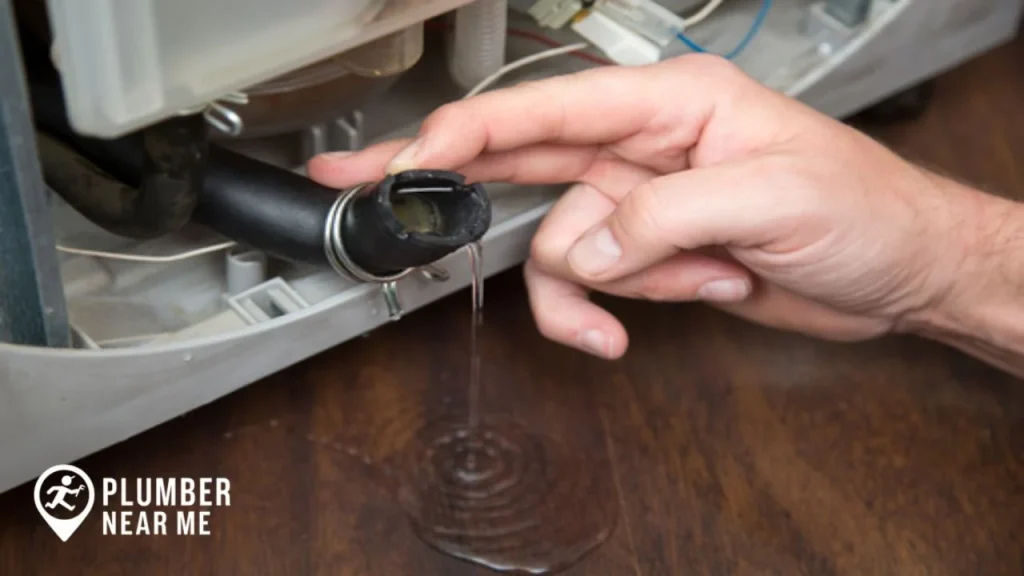
Without a drain pan, this water goes straight to your floor—leading to warped wood, mold growth, and even ceiling damage if your laundry room is upstairs.
1. Prevents Water Damage
According to the EPA, the average household loses 10,000 gallons of water per year due to leaks. A drain pan is the first line of defense, catching leaks before they cause expensive repairs.
2. Protects Against Mold & Mildew
The FEMA states mold can start growing in 24–48 hours on damp surfaces. A drain pan helps minimize standing water, keeping your laundry space dry and healthy.
3. Adds Extra Safety for Upstairs Laundry Rooms
If your washer is installed on the second floor, leaks are even riskier. Imagine water dripping into your living room ceiling—it’s both expensive and stressful. A drain pan reduces this risk significantly.
How Does a Washing Machine Drain Pan Work?
Drain pans work in two simple steps:
Step 1: Water Collection
The pan has raised edges that keep any water leaks contained inside it.
Step 2: Drainage System
Most pans come with a built-in drain hole. You connect this hole to a nearby pipe or floor drain. Any leaked water flows safely out instead of sitting under your washer.
Types of Washing Machine Drain Pans
There are two main types:
1. Plastic Drain Pans
✅ Affordable ($20–$60)
✅ Lightweight and easy to install
❌ Less durable, may crack under heavy machines
Plastic pans are good for budget-conscious homeowners or smaller washers.
2. Metal Drain Pans
✅ Durable and long-lasting
✅ Withstand heavy washing machines
❌ More expensive ($70–$160)
❌ Harder to install due to weight
Metal pans (usually stainless steel or aluminum) are recommended for large washers or high-usage laundry rooms.
Washing Machine Drain Pan Installation
Installing a drain pan can be DIY-friendly if you’re handy, but sometimes it’s better to hire a plumber. Here’s a breakdown:
Tools You’ll Need:
- Measuring tape
- Pipe wrench
- PVC pipe or flexible drain hose
- Hacksaw (if pipe needs cutting)
- Plumber’s putty
- Level
Step-by-Step Installation:
- Turn off the water supply and unplug the washing machine.
- Disconnect the water hoses carefully (keep a towel and bucket ready).
- Move the washer forward using a dolly or with help.
- Place the drain pan on the floor in the washer’s position.
- Cut or fit the drainpipe to match your floor drain or existing plumbing.
- Attach the pan’s drain outlet to the pipe using plumber’s putty or sealant.
- Place the washer back onto the pan carefully and level it.
- Reconnect hoses & power.
- Run a test cycle and check for leaks.
👉 Pro Tip: Don’t try to move a washing machine alone. They’re heavy and awkward—ask for help to avoid injuries.
Maintenance Tips for Washing Machine Drain Pans
- Clean every 3–6 months to remove detergent residue and dirt.
- Check for cracks in plastic pans or rust in metal ones.
- Test drainage by pouring a little water into the pan and checking if it flows properly.
- Replace immediately if you see clogs, leaks, or poor drainage.
Common Problems with Washing Machine Drain Pans
- Clogged Drain Pipe – Fix with a drain snake or call a plumber.
- Cracks in the Pan – Small ones can be sealed with waterproof tape, but replacement is best.
- Poor Installation – If the pan isn’t level or drain pipe isn’t connected properly, it won’t work.
Alternatives to Washing Machine Drain Pans
While drain pans are effective, you can add extra protection with:
- Automatic shutoff valves – These detect leaks and shut off water supply instantly.
- Water alarms – Sound an alarm if water is detected on the floor.
- Secondary containment trays – Larger trays for commercial or basement laundry setups.
Cost of Washing Machine Drain Pans
- Plastic pans: $20–$60
- Metal pans: $70–$160
- Professional installation: $150–$300 (depending on plumbing complexity)
Considering the cost of water damage repairs can run into thousands of dollars, a drain pan is a small but smart investment.
FAQs About Washing Machine Drain Pans
Q1. What is a washing machine drain pan?
A shallow tray that catches leaks from your washer and prevents water damage.
Q2. Do all washing machines need a drain pan?
Not always, but highly recommended—especially for upstairs laundry rooms.
Q3. What is the purpose of a drain pan?
To collect and safely drain away water from leaks, protecting your floors and home.
Q4. How do I know what size drain pan I need?
Measure the base of your washer and buy a pan slightly larger (at least 1 inch clearance).
Q5. Can I install a washing machine drain pan myself?
Yes, if you’re comfortable with plumbing. Otherwise, call a plumber to ensure proper drainage.
Q6. Where should the drain pan drain to?
Ideally into a floor drain or connected to a nearby pipe.
Q7. Can I use a drain pan without connecting the drain?
Yes, but it will only hold a limited amount of water before overflowing.
Q8. How long does a washing machine drain pan last?
Plastic pans: 5–8 years, Metal pans: 10+ years.
Q9. Do building codes require washing machine drain pans?
In many states, yes—especially for second-floor laundry rooms. Always check local codes.
Q10. Can a cracked drain pan be repaired?
Minor cracks can be patched temporarily, but replacement is the best solution.
Q11. What’s better: plastic or metal drain pan?
Plastic is cheaper, metal is more durable. Choose based on washer size and usage.
Q12. What happens if my washing machine leaks without a drain pan?
It can cause warped floors, mold growth, and costly water damage repairs.
Our Conclusion
A washing machine drain pan is a small, affordable investment that provides big protection against water damage. Whether you’re installing a new washer or upgrading an existing laundry room, adding a drain pan is one of the smartest decisions you can make as a homeowner.
For professional installation or plumbing help, you can always contact trusted experts at Plumber Near Me for reliable service.