Everything You Need to Know About Sump Pump Covers (And Why It Matters)
If you’ve got a sump pump in your basement, you might think you’re fully protected from flooding. But there’s one more key piece to the puzzle: the sump pump cover. It might not seem like a big deal at first glance, but trust us — a good cover can make a world of difference in how well your system works and how safe your home stays. You May Also Like: leaky faucet repair guide.
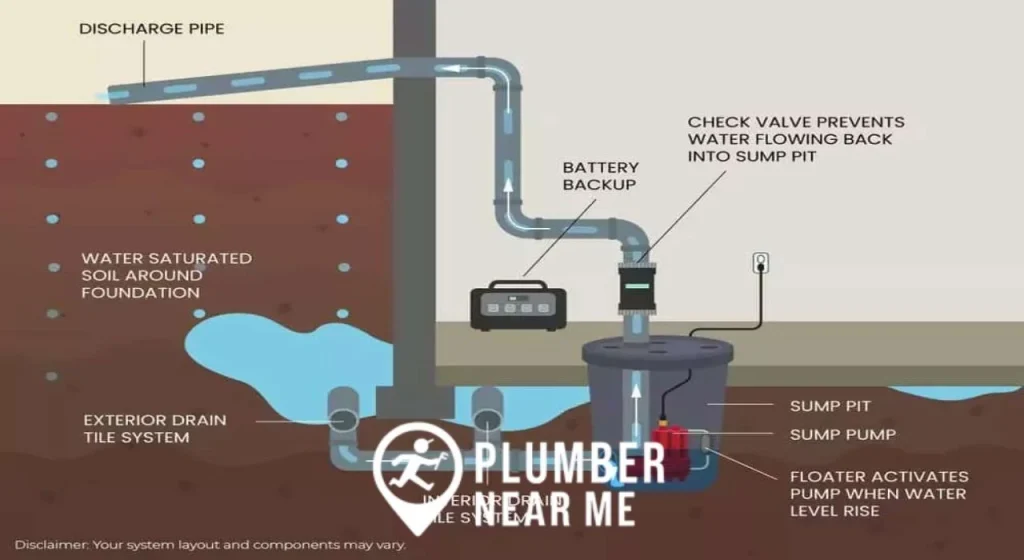
At Plumber Near Me, we often hear homeowners say, “I didn’t even know I needed a cover!” So, in this guide, we’ll walk you through what sump pump covers are, why they matter, how to seal them properly, and even a few smart cover ideas for your space.
What Is a Sump Pump Cover, Anyway?
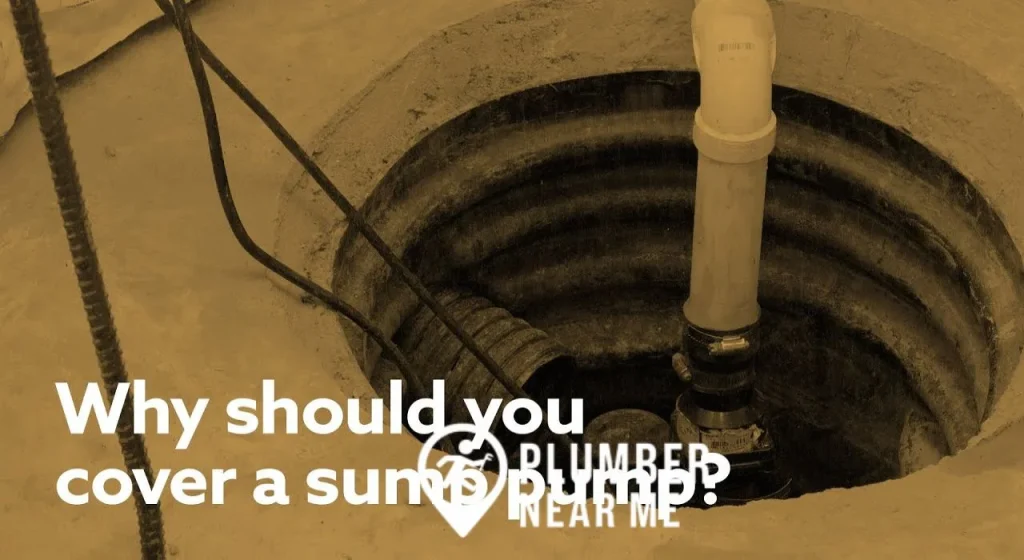
A sump pump cover is exactly what it sounds like — a lid that fits over your sump pit. It’s usually found in your basement or crawlspace. While the pump itself handles removing excess water, the cover keeps the rest of your home safer and cleaner by:
- Blocking debris from falling in and clogging the pump
- Helping control moisture and humidity
- Sealing out harmful gases like radon
- Making everything look neater and tidier
Why You Shouldn’t Skip the Cover
Still wondering if you really need one? Here’s why it’s not something to overlook:
Keeps Your Basement Safer
Without a cover, your sump pit is a tripping hazard — especially if you’ve got kids or pets running around.
Keeps Gunk Out of Your Pump
Dirt, hair, small toys — you’d be surprised what can fall into an open sump pit. A cover keeps it all out and protects your pump from damage.
Helps Control Radon and Moisture
If your home has radon concerns (a colorless, odorless gas that can seep in from the ground), a sealed sump pump cover is one way to help reduce exposure.
Reduces Noise
Pumps can be loud! A solid cover will muffle that constant hum, making your basement much more peaceful.
Meets Building Code
In many areas, covered and sealed sump pits are now part of code compliance, especially if radon mitigation is required.
Popular Sump Pump Cover Options
Not all covers are built the same. Here are a few types you might come across:
Solid Covers
Best for sealing out radon and keeping everything airtight. These are usually made of heavy-duty plastic or metal.
Perforated Covers
These have small holes that let surface water drain into the pit. Not ideal for radon concerns, but they work fine for basic drainage systems.
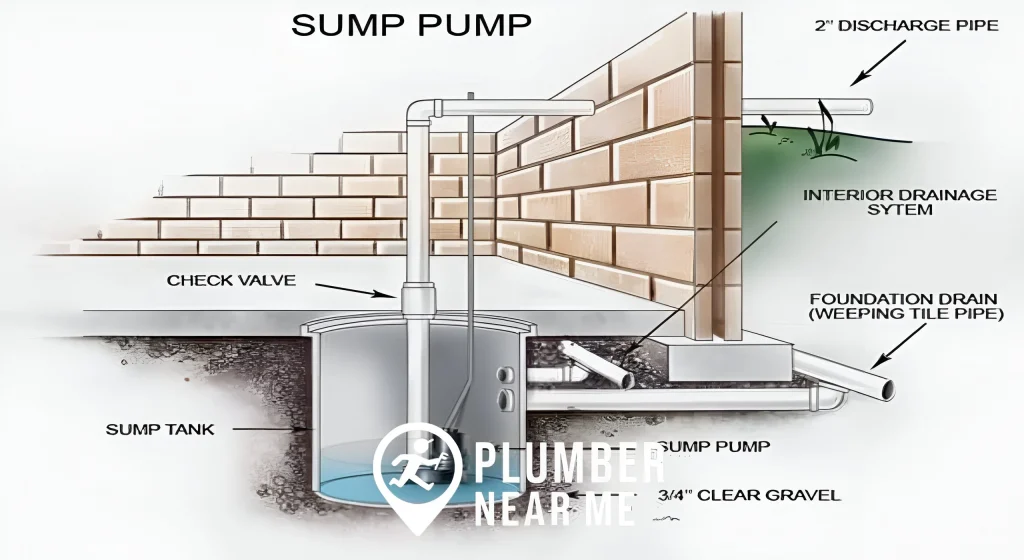
Sump Pump Cover Ideas to Fit Your Space
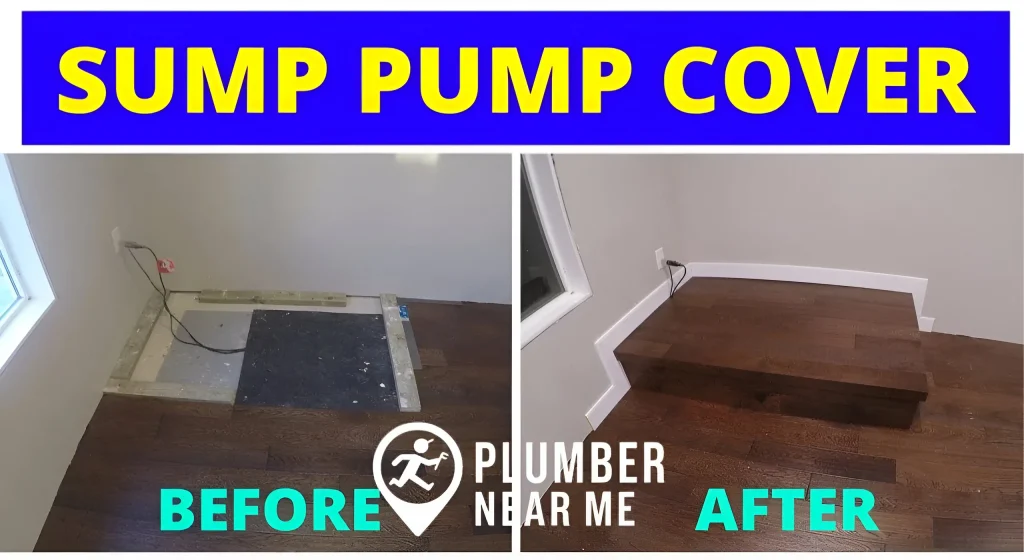
Need something practical and a little stylish? Here are a few sump pump cover ideas worth exploring:
- Clear plexiglass covers so you can still see inside without removing the lid.
- Decorative plastic or rubber lids in neutral colors to blend with the floor.
- Covers with access panels so you don’t have to remove the whole thing for maintenance.
- Insulated options for colder climates to prevent freezing.
- Eco-sealed lids for homes concerned about air quality or radon exposure.
Choosing a Universal Sump Pump Cover
If you’re looking for something easy that fits most setups, a universal sump pump cover is the way to go. These are designed to fit a wide range of pit sizes and pump types, and they’re super handy for quick upgrades.
Here’s what to consider when choosing:
- Material: Plastic is rust-proof. Metal is sturdier.
- Size: Always measure your pit first to avoid buying the wrong fit.
- Sealability: Make sure it comes with a way to seal around pipes or wires.
- Noise Control: Solid covers are better for soundproofing.
- Code Compliance: Check your local building codes before installing.
How to Install a Sump Pump Cover (It’s Easier Than You Think)
Most homeowners can install a sump cover in under an hour. Here’s a simple step-by-step:
- Clean the Pit Area: Clear away dust, debris, or any standing water.
- Measure the Opening: Get accurate measurements so you don’t end up with gaps.
- Test Fit: Place the cover on top before sealing anything to ensure it fits snugly.
- Seal Around Pipes: Use foam gaskets or silicone around any pipes or cords.
- Secure the Lid: Use included fasteners or screws to lock it down if needed.
Why a Sealed Sump Pump Cover Matters
A sump pump cover seal is especially important if you live in an area with radon gas or high moisture levels. A sealed cover prevents gases, odors, and damp air from escaping into your home. It also helps your dehumidifier work more efficiently.
To seal your cover properly, use:
- Foam rubber gaskets
- Silicone caulk
- Flexible sealants for any pipe penetrations
Helping with Radon Mitigation
If you’ve heard of radon but don’t know much about it — it’s a natural gas that can enter your home through the ground. Long-term exposure can be dangerous.
Sealing your sump pump is one way to limit radon entry. In some setups, homeowners even install a vent pipe directly from the sump pit to help with airflow and gas release.
How to Maintain Your Sump Pump Cover
Once your cover is installed, it’s not exactly “set it and forget it.” Here are a few quick maintenance tips:
- Check the seal every few months — especially around pipes or wire openings.
- Clean off dust or moisture to avoid mold buildup.
- Inspect for cracks — replace the cover if it warps or breaks.
- Make sure it’s still snug — lids can loosen over time with vibration.
Don’t Forget the Insurance Angle
If your sump pump fails and your basement floods, most standard home insurance policies don’t cover it. But some companies offer add-on coverage — and having a well-sealed, properly installed sump pump cover might help you qualify or prove maintenance if you need to make a claim.
FAQs About Sump Pump Covers
Do I really need a sump pump cover?
Yes — it helps prevent debris, enhances safety, and may be required by local building codes.
What’s the best type of sump pump cover?
For full protection, go with a solid, sealed cover. If radon isn’t a concern, a perforated one might do the trick.
How do I seal around cords and pipes?
Use silicone caulk or rubber gaskets — just make sure the seal is flexible but airtight.
Will a sump pump cover help with radon?
It can! A sealed lid helps keep radon and other soil gases from entering your home.
How often should I check my sump cover?
Give it a look every 2–3 months, and definitely after heavy rain or snowmelt.
Final Thoughts
A sump pump cover might not be the flashiest upgrade, but it’s a smart one. It protects your pump, keeps your basement safe, and can even help with air quality. Whether you go with a universal sump pump cover, a decorative lid, or a radon-sealed option, the key is making sure it’s the right fit for your home.
Need help picking or installing the perfect cover? Reach out to the experts at brothers plumbing near me — we’re here to help keep your basement dry and your family safe.