A Homeowner’s Guide to Using Gas-Grade Teflon Tape for Leak-Free Gas Line
When it comes to gas line installation and maintenance, safety should always be your foremost priority. One critical aspect often overlooked is the proper use of plumber’s tape, commonly known as Teflon tape. While Teflon tape is a versatile and widely used sealing material in plumbing, not all Teflon tapes are suitable for gas applications. Using the correct type ensures leak-proof connections, prevents dangerous leaks, and guarantees compliance with safety standards. You May Also like: how to fix a leaking toilet step by step.
In this comprehensive guide, we will explore the importance of using gas-rated plumber’s tape, how to identify the right product, proper application techniques, and key safety tips.
What is Plumber’s Tape and Why is it Important in Gas Line Fittings?
Plumber’s tape is a white, thin, polytetrafluoroethylene (PTFE) tape designed to seal threaded pipe connections. When wrapped around pipe threads, it helps to:
-
- Prevent gas leaks by sealing the microscopic gaps between threads.
-
- Facilitate easier assembly and disassembly of fittings.
-
- Protect against corrosion and dirt infiltration.
However, conventional Teflon tape used for water or other liquids is not necessarily suitable for gas lines. The specific formulation and labeling are critical to ensure safety and code compliance.
Why You Should Use Gas-Grade Teflon Tape
Gas-grade Teflon tape differs from standard plumbing tape in several crucial ways:
| Feature | Standard Teflon Tape | Gas-Grade Teflon Tape |
|---|---|---|
| Material Composition | General PTFE | Specially formulated PTFE with low permeability |
| Color Coding | Typically white | White but often marked or labeled as “gas-approved” |
| Approval & Certification | Usually not certified for gas | Certified and approved for gas lines by relevant authorities (e.g., UL, CSA) |
| Thickness & Density | Thinner, flexible | Slightly thicker for better seal in gas applications |
Using the wrong tape can pose safety hazards such as gas leaks, fire risks, and explosions. Always check for labeling, certifications, and manufacturer instructions when selecting Teflon tape for gas lines.
How to Identify the Correct Gas-Approved Teflon Tape
Key indicators of a suitable product include:
-
- Labeling: Look for “gas-rated,” “gas-approved,” or the relevant certification marks (e.g., UL, CSA).
-
- Color: Usually white, but verify the label to distinguish from standard tape.
-
- Packaging: Clear instructions indicating compatibility with gas piping.
-
- Manufacturer information: Reputable brands provide product specifications confirming safety standards.
Note: Avoid using any Teflon tape that is not explicitly labeled for gas. This is especially important since many general-purpose Teflon tapes are only suitable for cold water or household plumbing, not gas lines.
Proper Application of Plumber’s Tape on Gas Fittings
Correctly applying the gas-rated Teflon tape ensures sealing effectiveness and safety. Follow these steps:
1: Prepare the Threads
-
- Clean the threaded fittings to remove dirt, oil, or old sealant.
-
- Ensure threads are dry and in good condition.
2: Wrap the Tape</strong>
-
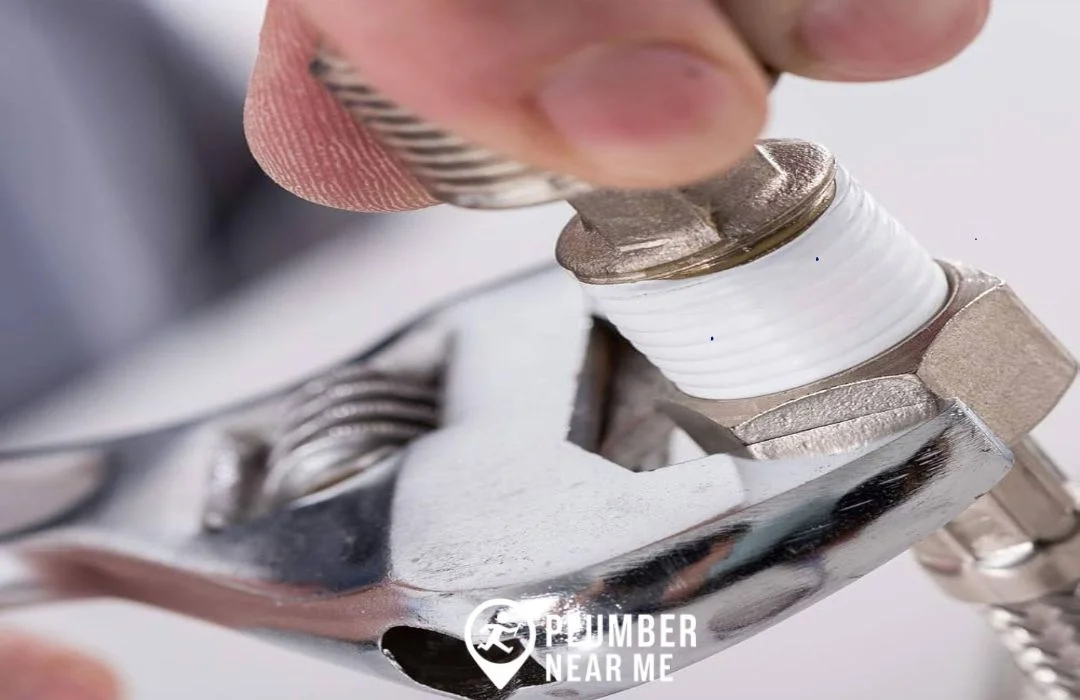
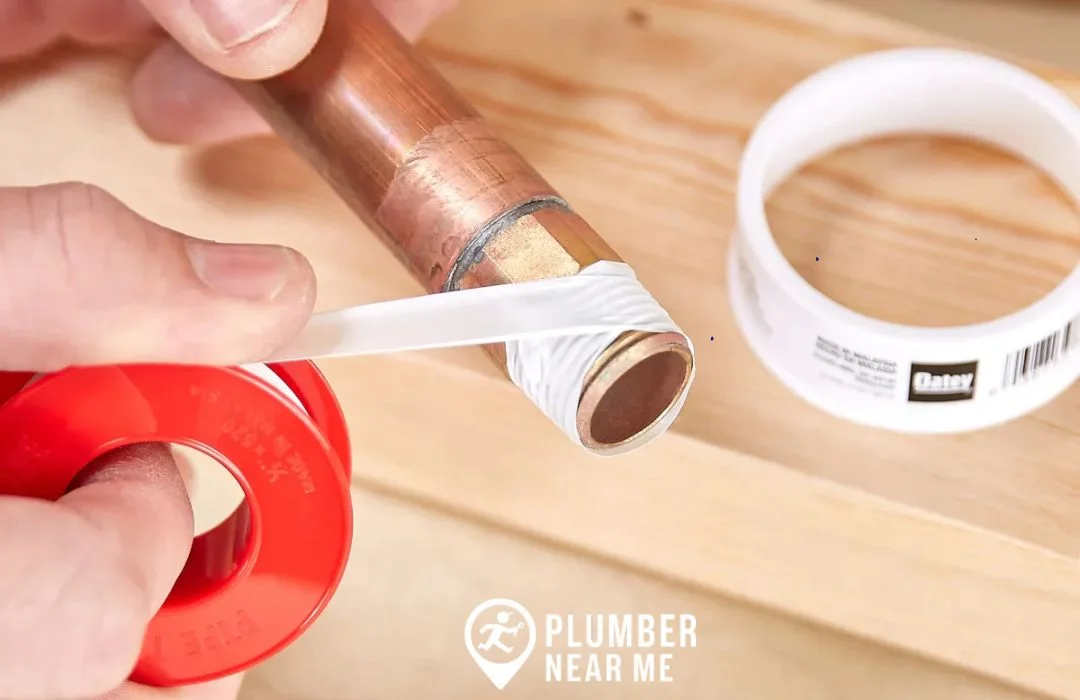
- Wrap the tape clockwise (in the direction of tightening) around the male threads.
-
- Overlap the tape by approximately 50% on each turn to ensure full coverage.
-
- Apply 2-3 layers of tape evenly over the threads.
-
- Be sure to cover all the threads but avoid extending past the end of the fitting.
<h4>3: Thread the Fitting</h4>
-
- Screw the fittings together slowly, ensuring the tape stays in place.
-
-
- Tighten snugly but do not overtighten, as this could damage threads or compromise the seal.
</
-
ul>
4: Tes
-
- t for Leaks
-
-
- After installation, conduct a leak test using soap solution or a gas leak detector.
-
-
-
- For gas lines, always perform pressure testing according to local codes and safety standards before regular use.
-
-
Important Safety Tips
-
-
-
- Always use a licensed plumber for gas line work. Safety is paramount when working with flammable gases.
-
-
-
- Do not use damaged or deteriorated Teflon tape.
-
-
-
- Make sure the Teflon tape is approved specifically for gas.
-
-
-
- Confirm that all fittings are compatible and do not exceed manufacturer specifications.
-
-
-
- Regularly inspect gas lines for leaks or damage.
-
-
-
- If unsure about the correct procedure or materials, seek professional advice or local plumbing services near me for expert assistance.
-
-
When to Call a Professional
If you suspect a gas leak, or if you’re unsure about the correct identification or application of Teflon tape, it’s best to contact a licensed or experienced plumber. Emergency plumbing services can ensure all work complies with local safety codes.
The Role of a Professional Plumber in Gas Line Safety
A professional plumber has the knowledge, tools, and certification to:
-
-
-
- Properly identify the correct sealing materials.
-
-
-
- Perform pressure testing and leak detection.
-
-
-
- Make compliant repairs or installations.
-
-
-
- Offer peace of mind that your gas system operates safely and reliably.
-
-
Find a plumber near me to evaluate or repair your gas lines and ensure safety.
Conclusion
Using plumber’s tape for gas lines is not a trivial matter — it is a critical safety component that can prevent hazardous leaks and ensure compliance with safety standards. Always use a high-quality, white, approved Teflon tape labeled for gas use, and follow proper application procedures. When in doubt, consult a licensed plumber or professional plumbing services near me to handle gas line work safely.
By prioritizing safety and correct materials, you can confidently maintain your gas system and avoid potentially dangerous situations.
FAQs
Q1: Can I use regular Teflon tape for gas line connections?
A: No, only use gas-approved Teflon tape. Regular Teflon tape is not designed for gas applications and may not provide an adequate seal, risking leaks and hazards.
Q2: How do I identify if Teflon tape is suitable for gas lines?
A: Check the labeling for “gas-rated,” “gas-approved,” or relevant certification marks such as UL or CSA. The packaging or product description should specify its suitability for gas.
Q3: How many layers of Teflon tape should I use for gas fittings?
A: Typically, 2 to 3 layers are sufficient. Avoid over-wrapping, which can lead to difficulty tightening or improper sealing.
Q4: Is it safe to install gas lines myself?
A: Installing gas lines involves risks and must be performed by a licensed professional. Always consult a licensed plumber or gas technician for installation or repairs.
Q5: What should I do if I smell gas after fixing a fitting?
A: Immediately turn off the gas supply, evacuate the area, and contact emergency services or a licensed plumber. Do not attempt to find the leak yourself if you are not trained.
For quality plumbing work and safety assurance, consider contacting a trusted plumbing contractor in my area. Whether it’s a residential plumber near me or a 24 hour plumber near me, professional assistance ensures peace of mind and safety.
Find a plumber near me at Plumber Near Me for reliable, certified plumbing services across the USA.
Remember: Safety first when dealing with gas lines — proper materials, techniques, and professional help are essential.
Call Now for More Information
Gas line safety is critical for every home and business. Using the correct gas-grade Teflon tape ensures a secure, leak-free connection that protects your property and family. Standard Teflon tape is not designed for gas fittings, so always choose the proper grade for reliable sealing. If you’re unsure about installing or sealing gas lines yourself, calling a licensed plumber guarantees the job is done safely and correctly. Reach out today to get expert help and peace of mind.