Certainly! PVC pipe fittings are integral components in modern plumbing systems. They facilitate the connection, extension, and redirection of PVC pipes, ensuring efficient and leak-free plumbing. Whether you’re undertaking a new installation or repairing an existing system, understanding the various types of PVC pipe fittings and their applications is crucial. This comprehensive overview will cover the most common fittings, their uses, and essential considerations for choosing the right components for your plumbing needs. You May Also Like: Trusted Dublin Plumber.
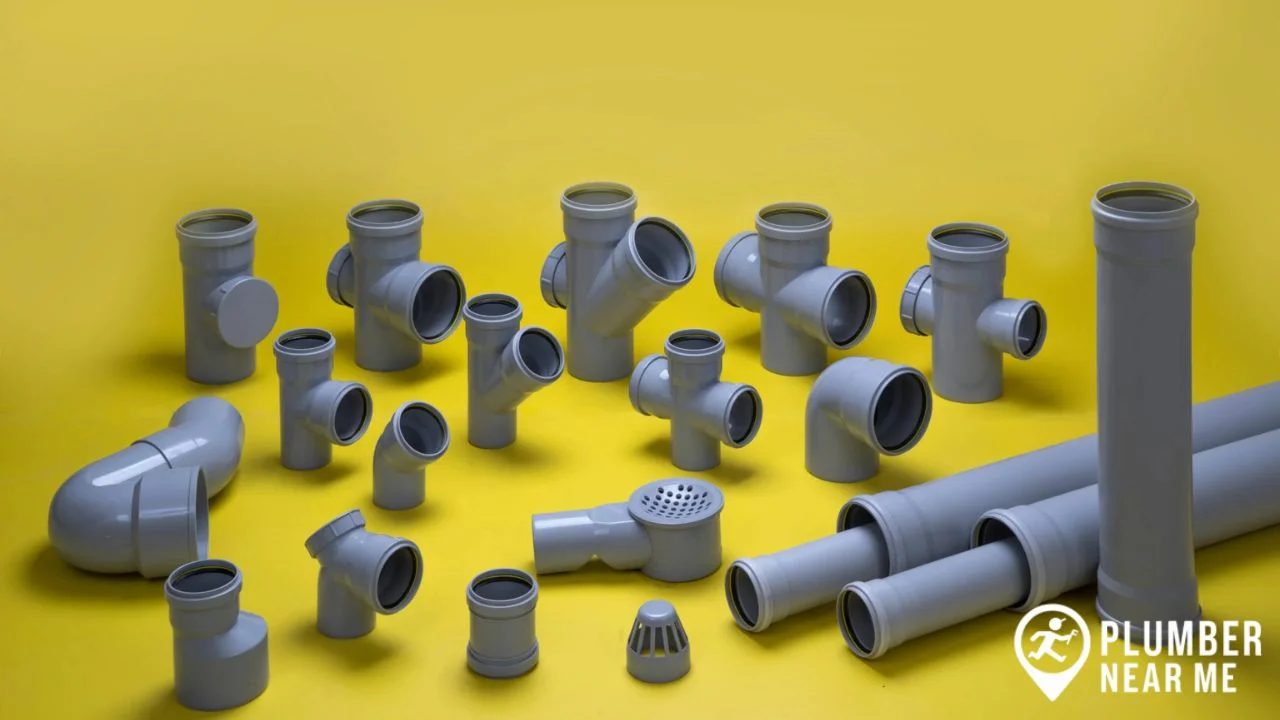
Overview of PVC Pipe Fittings
PVC (Polyvinyl Chloride) pipe fittings are manufactured from rigid plastic and are highly valued in plumbing for their durability, corrosion resistance, ease of installation, and affordability. These fittings come in various shapes and sizes to accommodate different connection requirements, from residential bathrooms to complex commercial plumbing systems.
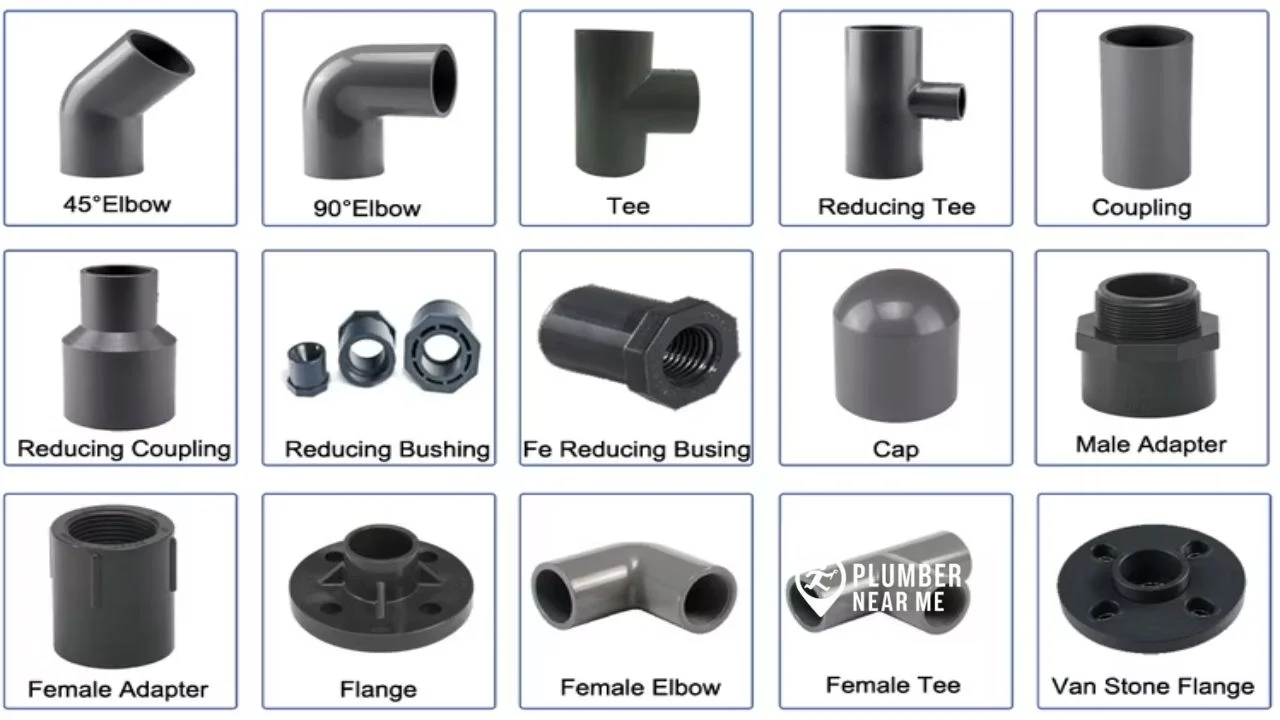
Common Types of PVC Pipe Fittings and Their Uses
1. Couplings
- Purpose: Connect two pipes together in a straight line.
- Use Case: Extending pipes or repairing broken sections.
- Types: Standard couplings and solvent-weld couplings.
2. Elbows
- Purpose: Change the direction of the pipeline, typically by 45° or 90°.
- Use Case: Navigating around corners or obstacles in piping systems.
- Types:
- 90-Degree Elbows: Most common, redirect flow sharply.
- 45-Degree Elbows: Provide a gentler turn, reducing pressure loss.
3. Tees
- Purpose: Create a branch off a main pipe.
- Use Case: Dividing flow into different directions or connecting multiple pipes.
- Types:
- Equal Tees: All ports are the same diameter.
- Reducing Tees: Connect pipes of different sizes.
4. Reducers
- Purpose: Connect pipes of different diameters.
- Use Case: Adjusting pipe sizes in system design or after pipe repairs.
- Types:
- Hex Reducers: Easier to tighten and loosen.
- Plain Reducers: Basic fitting for permanent connections.
5. Adapters
- Purpose: Connect PVC pipes to other types of pipes or fittings.
- Use Case: Transitioning between PVC and metal pipes or fittings.
- Types: Slip adapters, male/female adapters.
6. Caps and Plugs
- Caps: Close the pipe end temporarily or permanently.
- Plugs: Seal the end of a pipe to prevent leaks.
- Use Case: Terminating piping or sealing unused outlets.
7. Unions
- Purpose: Allow easy disconnection of pipes without cutting.
- Use Case: Maintenance, repairs, or system modifications.
8. Bushings
- Purpose: Reduce the size of a pipe opening within a fitting.
- Use Case: Sized reductions within piping networks.
9. Y-Connectors
- Purpose: Dividing flow into two branches.
- Use Case: Plumbing fixtures that require dual outlets (e.g., split drain lines).
Material and Compatibility Considerations
PVC fittings are primarily used with PVC pipes, but variations exist for different properties:
- Schedule 40 PVC: Common for drain, waste, and vent applications.
- Schedule 80 PVC: Thicker, higher pressure applications.
- CPVC (Chlorinated PVC): Suitable for hot water applications.
Compatibility Tips:
- Always match fittings with pipe schedules and diameters.
- Use compatible solvent cement for secure connections.
Installation Tips for PVC Pipe Fittings
- Clean the pipe ends and fittings before assembly.
- Measure accurately to avoid unnecessary cuts or mismatched sizes.
- Use appropriate primer and solvent cement for secure, watertight joints.
- Do not overtighten compression fittings to prevent cracking.
- Allow sufficient curing time for solvent cement to ensure strong bonds.
Benefits of Using PVC Pipe Fittings
- Cost-Effective: Lower cost compared to metal fittings.
- Corrosion-Resistant: Ideal for both fresh water and waste systems.
- Lightweight: Easier to handle and install.
- Chemical Resistance: Performs well in various chemical environments.
- Versatile: Suitable for residential, commercial, and industrial applications.
When to Consult a Professional
While PVC pipe fittings are straightforward to install for DIY enthusiasts, complex plumbing systems or those involving high pressure, hot water, or waste systems should be handled by licensed plumbers. In pressing situations such as leaks, pipe bursts, or blockages, consider reaching out to a plumber in my area or a local plumber for professional assistance. For emergencies, look for options like a emergency plumber near me or a 24 hour plumber near me to get immediate support.
Conclusion
PVC pipe fittings are fundamental to the functionality and reliability of plumbing systems. Their variety ensures compatibility with different pipe sizes, configurations, and system requirements, making them indispensable for both simple home repairs and large-scale plumbing projects. Proper selection, installation, and maintenance of these fittings contribute significantly to leak-free, efficient pipelines.
By understanding the different types of PVC fittings and their specific functions, homeowners and contractors can make informed decisions, ensuring durable and cost-effective plumbing solutions.
FAQs
1. Are PVC pipe fittings suitable for hot water systems?
- Answer: Generally, PVC fittings are not suitable for hot water due to their lower temperature tolerance. For hot water applications, CPVC fittings are recommended because they can withstand higher temperatures.
2. Can I use PVC fittings underground?
- Answer: Yes, PVC fittings, especially those rated for Schedule 40 or Schedule 80, are suitable for underground use due to their resistance to corrosion and chemicals. However, ensure they are rated for soil burial and follow proper installation practices.
3. How long do PVC fittings last?
- Answer: Under proper conditions, PVC fittings can last 50 years or more. Their longevity depends on installation quality, exposure to sunlight, and chemical environments.
4. What is the best way to join PVC fittings?
- Answer: Use solvent cement and primer designed for PVC pipes. Ensure all surfaces are clean before applying cement evenly for strong, leak-proof joints.
5. Can I reuse PVC fittings?
- Answer: While some fittings can be reused if undamaged, it’s generally advisable to replace fittings during repairs to ensure integrity and prevent leaks.
For reliable and professional plumbing services near me, consider reaching out to trusted providers like Plumber Near Me. They offer a wide range of plumbing solutions tailored to your needs, ensuring quality work and peace of mind.
Remember: Correctly selecting and installing PVC pipe fittings is vital for a durable and efficient plumbing system. When in doubt, consult with professional plumbers to achieve the best results.
Call Now for More Information
Need expert advice or assistance with your PVC pipe fittings? Call now for more information and speak with a licensed plumber who can help you choose, install, or repair the right components. Whether it’s a DIY project or a professional installation, trusted plumbing experts are just a call away—ensuring your system is efficient, safe, and leak-free.